Regulate AI: Is It the Right Move for Business?
Regulate AI to ensure safety and ethical use in business practices. Discover the implications of proposed legislation by Bill Gates.
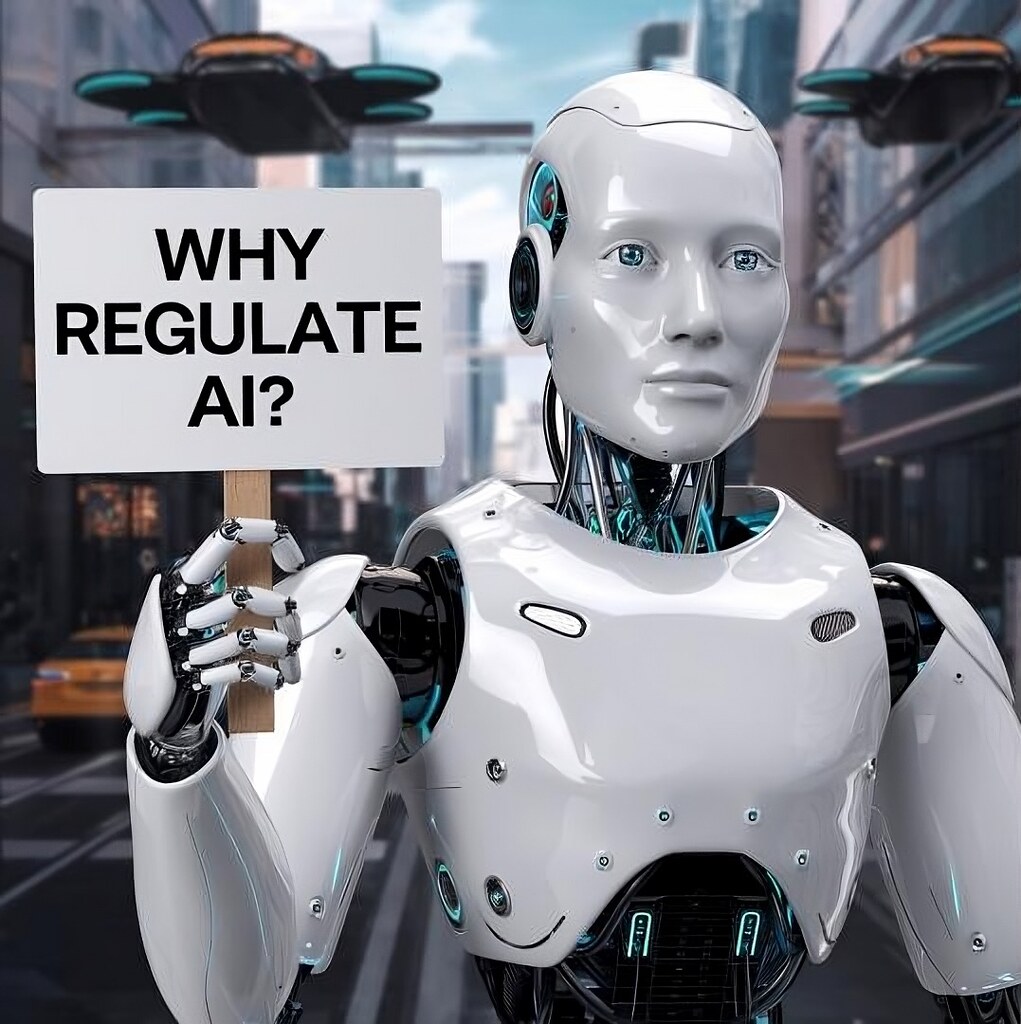
regulate AI is a crucial topic as Bill Gates advocates for legislation to ensure responsible use of artificial intelligence in business. This move aims to address ethical concerns and promote safety.
The Importance of AI Regulation
The emergence of artificial intelligence has sparked a significant debate regarding the need to regulate AI. As technology continues to evolve rapidly, the potential risks associated with its misuse have become increasingly evident. Industry leaders, including Bill Gates, have voiced their support for legislation aimed at ensuring responsible AI development and deployment.
Regulating AI is crucial for several reasons:
- Safety and Security: Unregulated AI can lead to unintended consequences, including data breaches and biased decision-making, that could harm individuals and society.
- Ethical Standards: Establishing guidelines for AI usage can help prevent discriminatory practices and promote fairness in automated systems.
- Public Trust: Transparency in AI operations fosters trust among users, encouraging broader adoption of these technologies.
- Innovation Support: A well-regulated environment can stimulate innovation by providing clear frameworks for businesses to operate within.
As businesses increasingly integrate AI into their operations, the call to regulate AI becomes more urgent. Balancing innovation with safety and ethics will be paramount in shaping the future of technology and its role in our lives.
Bill Gates’ Vision for AI
Bill Gates has long been a prominent voice in the tech industry, and his perspective on the need to regulate AI is particularly noteworthy. He emphasizes that while artificial intelligence holds immense potential to improve our lives, it also presents significant risks that must be addressed through thoughtful legislation.
Gates believes that to harness the benefits of AI effectively, there must be a clear framework in place to govern its development and use. He argues that regulation is essential for several reasons:
- Safety: Ensuring that AI systems operate safely and do not pose threats to individuals or society.
- Accountability: Holding companies accountable for the actions of their AI systems, particularly in cases of harm or misuse.
- Innovation: Creating a structured environment that encourages innovation while also protecting public interest.
Additionally, Gates points out that international cooperation will be crucial in establishing effective regulations. As AI technology transcends borders, a unified approach can help prevent regulatory loopholes and enhance global standards. Ultimately, Gates advocates for proactive measures to regulate AI, ensuring its development aligns with societal values and safety.
Potential Impacts on Businesses
The discussion around how to regulate AI is gaining momentum, and its potential impacts on businesses are significant. As technology rapidly evolves, companies must navigate the balance between innovation and compliance with emerging regulations.
One major impact could be the increased operational costs for businesses as they adapt to new compliance requirements. Companies may need to invest in additional resources, such as legal counsel and compliance teams, to ensure they meet regulatory standards.
Moreover, regulating AI might foster a more competitive market. By establishing clear guidelines, businesses can innovate with a greater sense of security, knowing they are operating within a structured framework. This could lead to the development of more responsible AI technologies that prioritize ethical considerations.
However, there are concerns about stifling creativity and growth. Some argue that excessive regulation may hinder smaller startups that lack the resources to comply with stringent laws. Hence, it is crucial to strike a balance between necessary oversight and maintaining an environment conducive to innovation.
Ultimately, the way in which AI is regulated could shape the future landscape of business, influencing everything from product development to consumer trust.
Ethical Considerations in AI
As discussions around the need to regulate AI gain momentum, ethical considerations come to the forefront. The rapid advancement of artificial intelligence presents unique challenges that require careful examination to ensure responsible development and deployment.
One major ethical concern is the potential for bias in AI algorithms. If not properly regulated, these systems may inadvertently perpetuate existing inequalities, leading to unfair treatment of certain groups. Addressing this issue necessitates implementing guidelines that promote transparency and accountability in AI training processes.
Additionally, the question of privacy arises. As AI systems often rely on vast amounts of personal data, the ethical implications of data collection and usage are critical. Striking a balance between innovation and individual privacy rights is essential to maintain public trust in these technologies.
Moreover, the potential for job displacement due to AI automation raises ethical dilemmas about the future of work. Regulations should consider the socioeconomic impacts and aim to provide support and retraining opportunities for displaced workers.
Ultimately, establishing a comprehensive framework to regulate AI can help mitigate these ethical risks, ensuring that technology serves humanity rather than undermining social values.
Future of AI Legislation
The future of AI legislation is a topic of growing significance as the technology continues to evolve at a rapid pace. Industry leaders, including Bill Gates, have expressed the need for a framework that can effectively regulate AI, ensuring its development aligns with societal values and safety standards.
As governments around the world consider various approaches, the focus on regulation aims to balance innovation with responsibility. Some key aspects of potential legislation include:
- Transparency: AI systems should be designed to be understandable and interpretable to users, fostering trust.
- Accountability: Clear guidelines must be established regarding who is responsible for the outcomes produced by AI systems.
- Safety Standards: Regulations should mandate that AI systems undergo rigorous testing to ensure they are safe and reliable.
- Inclusivity: Policies should promote equitable access to AI technologies, preventing discrimination and bias.
Ultimately, the goal of regulating AI is to create an environment where innovation can thrive while protecting individuals and communities from potential harms. As discussions around AI legislation evolve, the business sector must remain engaged to navigate these changes effectively.
By Wesley Fryer via Openverse