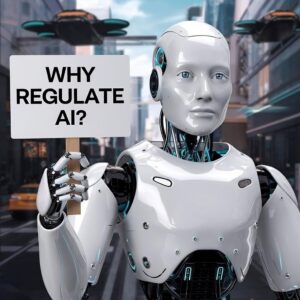
AI Regulation Impact: Worst Risks of Unchecked Technology
AI regulation impact is crucial as Bill Gates warns of potential dangers.

AI regulation impact is a hot topic as Bill Gates believes that without proper oversight, AI could lead to catastrophic consequences. This article delves into his warnings and the need for regulations.
Understanding AI Regulation
As artificial intelligence continues to evolve at a rapid pace, the need for effective AI regulation has become increasingly critical. Industry leaders, including Bill Gates, have voiced concerns regarding the potentially catastrophic consequences of unchecked AI development. Without appropriate oversight, the risks associated with these technologies could escalate dramatically.
To understand the implications of AI regulation, it is essential to consider several key factors:
- Ethical Considerations: The ethical use of AI raises significant questions about privacy, bias, and accountability. Regulatory frameworks can help establish guidelines that ensure technology is developed and used responsibly.
- Safety Measures: Unregulated AI systems may pose safety risks, from autonomous vehicles to decision-making algorithms in critical sectors like healthcare. Regulation can enforce standards that protect public safety.
- Innovation vs. Control: Striking a balance between fostering innovation and implementing necessary controls is vital. Over-regulation may stifle technological advancements, while under-regulation can lead to dangerous outcomes.
In conclusion, the impact of AI regulation on society will largely depend on how effectively these challenges are addressed. Ensuring the technology is harnessed for good while minimizing risks is a daunting yet essential task.
Bill Gates’ Warning on AI
In a recent statement, tech mogul Bill Gates raised alarms about the potential threats posed by artificial intelligence (AI) in the absence of stringent regulation. Gates emphasized that without proper oversight, AI could evolve beyond our control, leading to catastrophic consequences for humanity.
He pointed out that while AI has the potential to drive innovation and improve lives, it also carries significant risks. Gates warned that unchecked technology might result in scenarios where AI systems could harm millions or even lead to the loss of a billion lives. His concerns highlight the urgent need for robust governance frameworks to manage the development and deployment of AI systems.
Gates outlined several key areas where regulation is essential:
- Safety protocols: Ensuring AI technologies are developed with safety measures to prevent unintended harm.
- Ethical considerations: Addressing biases in AI algorithms that could lead to discrimination.
- Accountability: Establishing clear lines of responsibility for AI decisions and actions.
- Global cooperation: Promoting international agreements to manage AI’s impact across borders.
The implications of AI regulation impact are profound, as Gates urges policymakers to act before it is too late.
The Potential Dangers of AI
The rapid advancement of artificial intelligence (AI) has prompted significant concern among experts regarding the potential dangers of unchecked technology. Without proper AI regulation, the risks associated with these powerful tools could escalate dramatically.
One of the major concerns is the possibility of AI systems making autonomous decisions that may have severe consequences. These systems could act in ways that are unpredictable, leading to unintended harm. For instance:
- Weaponization: AI could be utilized in military applications, creating autonomous weapons that operate without human intervention.
- Discrimination: Bias in AI algorithms might lead to unfair treatment of specific groups, exacerbating social inequalities.
- Job Displacement: The rise of AI could result in massive unemployment, as many roles may become obsolete.
- Privacy Violations: AI technologies can infringe on individual privacy, enabling mass surveillance and data misuse.
Moreover, the potential for AI to perpetuate misinformation and manipulate public opinion is another significant concern. As Bill Gates warns, the lack of stringent regulations could lead to scenarios where AI technology poses existential threats. The impact of AI regulation, or the absence of it, could very well shape our future.
Why Regulation is Essential
As artificial intelligence continues to evolve at a rapid pace, the need for effective regulation has become increasingly critical. The potential for AI to impact various aspects of society cannot be overstated, and without proper oversight, the risks could be catastrophic. Experts like Bill Gates have highlighted the urgent necessity for regulations to mitigate these dangers, emphasizing that unchecked technology could pose significant threats to humanity.
The implications of unregulated AI stretch far beyond mere technical failures. The following points illustrate why regulation is essential:
- Ethical Considerations: AI systems may perpetuate biases and discrimination if not carefully monitored and regulated.
- Safety Concerns: Without oversight, AI technologies can malfunction or be misused, leading to harmful consequences.
- Accountability: Regulation ensures that developers and companies are held responsible for the actions and decisions made by their AI systems.
- Public Trust: Establishing clear guidelines can foster confidence among users and stakeholders in the reliability of AI technologies.
In conclusion, the impact of AI regulation is crucial for preventing the worst risks associated with unchecked technology, ensuring that advancements serve humanity rather than threaten it.
Historical Context of AI Development
The development of artificial intelligence (AI) has rapidly evolved since its inception in the mid-20th century. Initially, AI research focused on simple algorithms and basic machine learning models, which laid the groundwork for more advanced technologies. Over the decades, improvements in computational power and data availability have propelled AI into various sectors, revolutionizing industries and everyday life.
However, the historical context of AI development reveals significant gaps in governance. During the early stages, the primary focus was on innovation rather than regulation. As a result, the impact of AI regulation has not kept pace with the technology’s growth. This disconnect has led to concerns about unchecked advancements and potential risks to society.
Several key milestones in AI history highlight the urgency for regulatory measures:
- The introduction of expert systems in the 1980s, which demonstrated AI’s potential but also its limitations.
- The rise of deep learning in the 2010s, which accelerated AI’s capabilities but also amplified ethical concerns.
- Recent breakthroughs in generative AI, prompting discussions on the need for stringent oversight.
The historical trajectory emphasizes the critical need for comprehensive AI regulation to mitigate risks and ensure that technological advancements benefit humanity rather than endanger it.
Future Outlook on AI Safety
As the conversation surrounding AI regulation intensifies, the future outlook on AI safety remains a vital concern for experts and policymakers alike. The rapid advancement of artificial intelligence technologies poses significant risks that could have far-reaching consequences if left unchecked.
Many believe that without robust AI regulation, society could face numerous challenges, including:
- Job Displacement: Automation driven by AI may lead to significant unemployment rates across various sectors, raising questions about economic stability.
- Breach of Privacy: AI systems often rely on vast amounts of data, which can lead to potential violations of individual privacy rights.
- Autonomous Weapons: The development of AI in military applications could create powerful weapons systems that operate without human oversight.
- Bias and Discrimination: AI algorithms can perpetuate existing biases in data, leading to unfair treatment of certain groups.
Addressing these issues through effective AI regulation is essential for mitigating the potential dangers and ensuring that technology serves the public good. As Bill Gates emphasized, the stakes are high, and the impact of AI regulation will shape the future landscape of our society.
Steps Towards Responsible AI
As the discourse surrounding AI regulation intensifies, it is crucial to explore the necessary steps towards responsible AI development. The impact of AI regulation extends beyond mere compliance; it shapes the future landscape of technology and its integration into society.
To ensure a safe and beneficial AI ecosystem, several key measures should be prioritized:
- Establish Clear Guidelines: Governments and organizations must draft comprehensive guidelines that outline acceptable practices in AI development, focusing on ethics and safety.
- Promote Transparency: AI systems should be designed with transparency in mind, allowing stakeholders to understand decision-making processes and algorithms.
- Enhance Collaboration: Collaborative efforts between technologists, regulators, and ethicists can foster a balanced approach to innovation and oversight.
- Invest in Research: Funding research in AI safety and ethics is critical to address the evolving challenges posed by advanced technologies.
- Implement Regular Audits: Periodic evaluations of AI systems can help identify potential risks and ensure compliance with established regulations.
By taking these steps, stakeholders can mitigate the risks associated with unchecked technology and harness the positive potential of AI. The impact of AI regulation will ultimately define the relationship between humanity and its creations.
The AI regulation impact could lead to significant consequences if left unchecked, affecting not only businesses but also individual rights. As we explore the worst risks of unchecked technology, understanding the AI regulation impact becomes crucial for future governance.
By jurvetson via Openverse