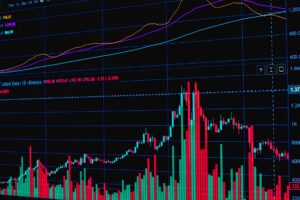
Sensex slumps: Worst market drop in recent history
Sensex slumps as markets face a significant downturn, losing over 1,000 points. Discover the reasons behind this decline and its implications.
Sensex slumps dramatically, experiencing a loss of more than 1,000 points. This unexpected downturn has left investors concerned and searching for answers.
Understanding the Sensex Slump
The recent downturn in the stock market has left investors reeling, as the Sensex slumps more than 1,000 points, marking one of the worst market drops in recent history. Analysts attribute this drastic decline to several interconnected factors that have shaken investor confidence.
Among the primary reasons for this slump are:
- Global Economic Concerns: Heightened fears of inflation and rising interest rates in major economies have triggered widespread sell-offs.
- Political Uncertainty: Ongoing political tensions and policy changes have created an unstable environment for investors.
- Corporate Earnings Disappointments: Several major companies reported lower-than-expected earnings, leading to a loss of faith in future growth.
As the market grapples with these challenges, investors are urged to remain cautious and informed, as the repercussions of this slump may linger for some time.
Key Factors Behind the Drop
The recent plunge in the stock market has left investors reeling, as the Sensex slumps dramatically, marking one of the worst market drops in recent history. Several key factors have contributed to this alarming downturn.
- Global Economic Concerns: Heightened fears surrounding inflation and interest rate hikes in major economies have caused investor anxiety, leading to massive sell-offs.
- Domestic Factors: A series of disappointing earnings reports from major companies has fueled concerns about the overall health of the economy, prompting further withdrawal from the market.
- Geopolitical Tensions: Ongoing conflicts and geopolitical instability have added to market volatility, driving investors to seek safer assets.
- Sector-Specific Issues: Specific sectors, particularly technology and finance, have faced significant headwinds, contributing to the overall decline.
As a result, investors are left questioning the stability of the market and how to navigate these turbulent times.
Market Reactions and Investor Sentiment
In the wake of the Sensex slumps, market reactions have been swift and significant. Investors are expressing heightened anxiety as trading volumes increase amid the uncertainty. The sharp decline of more than 1,000 points has sent shockwaves through financial circles, leading many to reassess their portfolios.
Analysts report a surge in selling pressure, with many investors opting to liquidate their holdings to mitigate potential losses. Investor sentiment has turned decidedly negative, prompting discussions around the stability of the market.
Key observations include:
- Increased volatility: Market fluctuations are expected to continue in the coming days.
- Sector-specific impacts: Industries such as technology and finance are particularly affected.
- Potential recovery signs: Some analysts suggest that a rebound could occur if investor confidence is restored.
Overall, the current market landscape reflects a cautious approach from investors as they navigate the aftermath of this dramatic slump.
Historical Context of Market Declines
The recent plunge in the Sensex marks one of the most significant market declines in recent history, echoing past financial crises that have left investors reeling. In the early 2000s, the dot-com bubble burst caused substantial losses, while the 2008 global financial crisis resulted in a dramatic downturn for many stock markets worldwide.
Historically, major drops in the Sensex have often been triggered by a combination of geopolitical tensions, economic slowdowns, and shifts in monetary policy. For instance, in 2016, a sudden decline was attributed to concerns over global growth and trade disputes, similar to the fears that precipitated the current slump. The Sensex slumps more than 1,000 points, as reported, reflects not only investors’ reactions to immediate economic signals but also their long-term concerns about the stability of the market.
In analyzing these events, it becomes clear that understanding the underlying causes is crucial for predicting future trends.
Expert Opinions on Future Trends
Experts are closely analyzing the recent market dynamics, particularly following the significant slump in the Sensex. Many believe that this downturn is indicative of broader economic challenges that need to be addressed immediately.
Analysts suggest that several factors could influence future market trends:
- Global Economic Conditions: The interconnectedness of global markets means that international economic health will impact local trends.
- Monetary Policy Adjustments: Changes in interest rates could either stabilize or further destabilize the financial environment.
- Corporate Earnings Reports: Upcoming earnings announcements will provide insights into company performances and investor confidence.
- Geopolitical Events: Any major political upheaval could lead to increased volatility, affecting investor sentiment.
In summary, while the Sensex slump has raised concerns, experts stress that a proactive approach could mitigate further declines and promote a recovery.
Recovery Strategies for Investors
As the Sensex slumps significantly, investors are understandably concerned about their portfolios. However, there are several strategies that can be employed to navigate these turbulent waters.
1. Diversification: Spreading investments across various sectors can mitigate risk. Consider reallocating funds into defensive stocks or sectors that tend to perform well during downturns.
2. Long-term Perspective: Market fluctuations are common, and maintaining a long-term investment strategy can help investors ride out the volatility. Historical trends show that markets typically recover over time.
3. Stay Informed: Keeping up with market news, economic indicators, and expert analyses can provide insights into potential rebounds or further declines.
4. Consult Financial Advisors: Seeking professional advice can help tailor an investment strategy that aligns with individual risk tolerance and financial goals.
By employing these strategies, investors can better position themselves to weather the storm when the Sensex slumps.
Conclusion: Navigating Market Volatility
In conclusion, the recent Sensex slumps serve as a stark reminder of the volatility inherent in financial markets. As investors reflect on this significant decline, it becomes crucial to adopt a proactive approach to navigate these turbulent waters.
Here are some strategies to consider:
- Diversification: Spreading investments across various sectors can help mitigate risks associated with market fluctuations.
- Long-term Perspective: Keeping a focus on long-term goals rather than reacting impulsively to short-term market movements can provide stability.
- Regular Monitoring: Staying informed about market trends and economic indicators can help in making timely adjustments to investment portfolios.
- Consultation with Experts: Engaging with financial advisors can provide personalized strategies tailored to individual risk tolerances and goals.
Ultimately, the ability to remain calm and strategic during times of market stress may turn challenges into opportunities for growth.
The recent market turmoil has left investors in shock as the Sensex slumps to unprecedented lows. Analysts are concerned about the implications of this decline as the Sensex slumps further amid growing economic uncertainty.