Wafer-Scale Programming: The Best Proven Tech from Cerebras
Wafer-scale programming is revolutionizing AI models with Cerebras’ Tungsten. Discover its impact now!
wafer-scale programming is at the forefront of AI innovation, and Cerebras has just released Tungsten to enhance this technology. This new development promises to streamline programming processes for AI models, making them more efficient than ever.
What is Wafer-Scale Programming?
Wafer-scale programming is an innovative approach that leverages the capabilities of wafer-scale systems to enhance processing power and efficiency in computing tasks. This method is particularly beneficial in handling large-scale AI and machine learning workloads, enabling significant improvements in performance and speed.
At its core, wafer-scale programming involves programming directly on the hardware level of a silicon wafer, which contains an array of interconnected chips. This integration allows for a more streamlined computing process, minimizing latency and maximizing throughput. The ability to program at such a granular level means that developers can fine-tune applications to take full advantage of the underlying architecture.
Recently, Cerebras introduced Tungsten, a software platform that simplifies high-level wafer-scale programming. This platform empowers developers with tools to efficiently manage and optimize their workloads across vast arrays of processors. The introduction of Tungsten marks a significant step towards making wafer-scale programming more accessible to a wider range of users, from researchers to industry professionals.
Some key benefits of wafer-scale programming include:
- Increased Efficiency: Reduced overhead means faster execution of complex algorithms.
- Scalability: Easily adapt to growing data and processing needs.
- Enhanced Performance: Direct access to hardware capabilities leads to optimized operations.
In summary, wafer-scale programming represents a transformative approach to computing, spearheaded by advancements from companies like Cerebras.
Cerebras’ Innovations in AI
Cerebras has been at the forefront of technological advancements in the field of artificial intelligence, particularly with its innovative approach to wafer-scale programming. This technique enables the efficient execution of complex algorithms by leveraging the massive parallel processing capabilities of its cutting-edge hardware.
One of the standout innovations from Cerebras is the introduction of the Tungsten software platform, specifically designed for high-level wafer-scale programming. Tungsten simplifies the development process for AI applications by providing a user-friendly interface that abstracts the complexities associated with large-scale computing.
The benefits of this technology are profound:
- Enhanced Performance: With the ability to harness the full power of wafer-scale systems, developers can achieve significant speedups in training and inference times.
- Scalability: The platform allows for seamless scaling of applications across multiple chips, facilitating the deployment of AI models that demand substantial computational resources.
- Reduced Development Time: By streamlining the programming process, Tungsten enables engineers to focus on optimizing their models rather than grappling with hardware constraints.
As AI continues to evolve, innovations like wafer-scale programming from Cerebras position the company as a leader in the industry, offering solutions that address the growing demands of modern machine learning tasks.
Benefits of Tungsten for Developers
The introduction of Tungsten by Cerebras is set to revolutionize the approach developers take to wafer-scale programming. This new technology brings a plethora of benefits that can significantly enhance productivity and efficiency in the development process.
One of the primary advantages of Tungsten is its ability to streamline the programming workflow. By providing high-level abstractions, developers can focus more on the algorithmic aspects of their projects rather than getting bogged down in low-level details. This allows for faster prototyping and iteration, ultimately leading to quicker deployment of AI models.
In addition to improved workflow, Tungsten offers scalability that is hard to match. The technology is designed to leverage the immense capabilities of wafer-scale hardware, enabling developers to address larger datasets and more complex models without sacrificing performance. This scalability is crucial in today’s AI landscape, where the demand for more powerful computation continues to grow.
Furthermore, Tungsten enhances collaboration among teams. With its intuitive interfaces and robust documentation, developers can easily share their work and integrate their contributions, promoting a more cohesive development environment.
In summary, the benefits of Tungsten for developers include:
- Streamlined workflows for faster project development
- Scalability for handling complex AI models
- Enhanced collaboration capabilities among teams
These features position Tungsten as a game-changing tool in the realm of wafer-scale programming.
How Tungsten Enhances AI Models
Cerebras’ latest release, Tungsten, significantly enhances the capabilities of wafer-scale programming, providing developers with advanced tools to build cutting-edge AI models. Tungsten enables seamless integration of various AI frameworks, allowing for greater flexibility and efficiency in model development. This is particularly important as the demand for sophisticated AI applications continues to grow.
One of the key features of Tungsten is its ability to optimize resource allocation across the wafer-scale architecture. By effectively managing computational resources, developers can maximize performance while reducing latency. This results in faster training times and improved overall model accuracy.
Additionally, Tungsten supports a variety of programming languages, making it accessible to a broad range of developers. Its user-friendly interface and robust documentation simplify the adoption process, empowering teams to leverage wafer-scale programming without extensive training. The following benefits highlight how Tungsten enhances AI models:
- Scalability: Tungsten allows developers to scale their models effortlessly, accommodating larger datasets and more complex algorithms.
- Performance: Enhanced optimization techniques lead to significant speed improvements in model training and inference.
- Flexibility: Support for multiple AI frameworks ensures that developers can work within their preferred environments.
As organizations look to advance their AI initiatives, Tungsten positions itself as a game-changing tool in the realm of wafer-scale programming.
Future of Wafer-Scale Technology
The future of wafer-scale technology appears promising as innovations continue to evolve within the semiconductor industry. With advancements like Cerebras’ Tungsten, developers are equipped with transformative tools that maximize the potential of wafer-scale programming. This technology not only enhances computational efficiency but also addresses the growing demands of AI workloads.
As the complexity of AI models increases, the necessity for robust and scalable solutions becomes critical. Wafer-scale programming offers a pathway to unprecedented performance through its ability to leverage the full capacity of silicon wafers. Key aspects driving the future of this technology include:
- Increased Performance: Wafer-scale solutions can handle larger datasets and more intricate calculations, leading to faster training times for AI models.
- Cost Efficiency: By optimizing the use of silicon, companies can reduce costs associated with traditional hardware while scaling their operations.
- Enhanced Collaboration: Developers can work more seamlessly across teams, sharing resources and insights that elevate projects.
- Adaptability: As technologies evolve, wafer-scale programming can be adjusted to meet new requirements, ensuring longevity and relevance in the market.
In conclusion, as technologies like Tungsten set new standards, the future of wafer-scale programming is bright, promising to redefine the landscape of artificial intelligence and beyond.
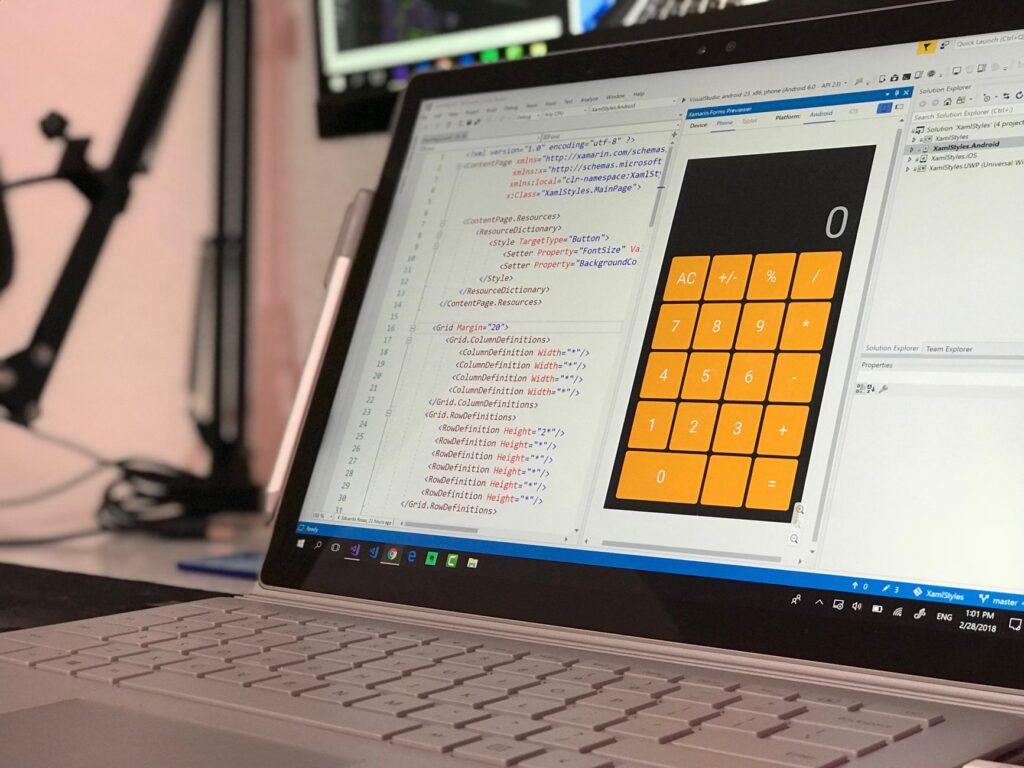
Photo by Eduardo Rosas on Pexels
Sources
Upcoming Sub 4m SUVs: Best Proven Models for 2027 · Nikkei 225 Drop: Worst Selloff Sparks Market Concerns · Hindalco Novelis China units sale: A Smart Move