Nikkei 225 Drop: Worst Selloff Sparks Market Concerns
Nikkei 225 drop highlights significant losses in Japanese stocks, falling below 60,000 as investors react to market volatility.
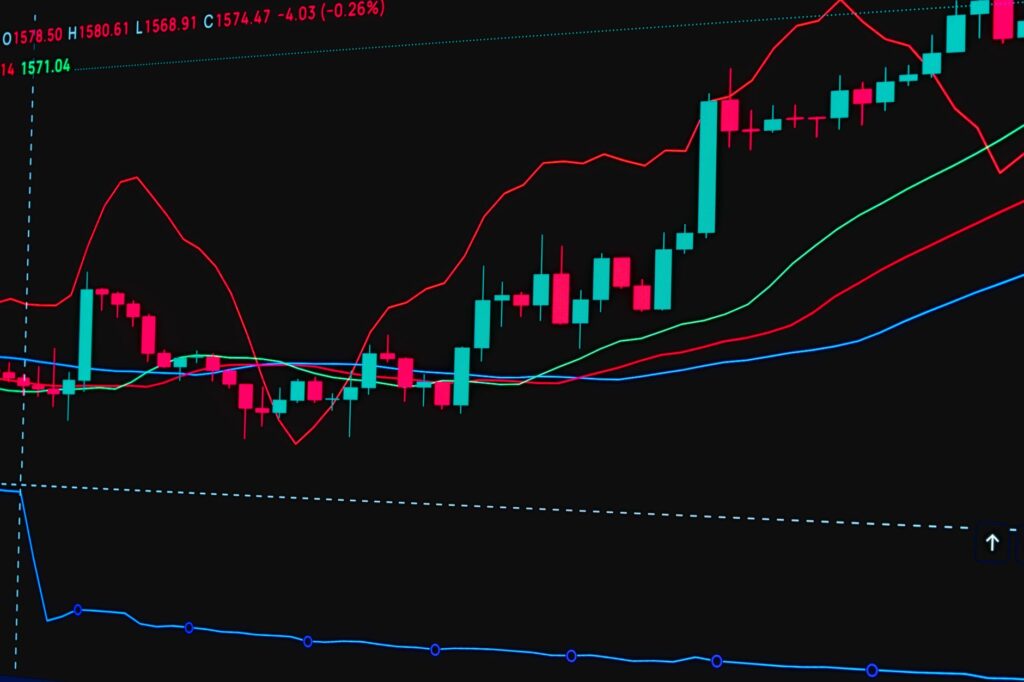
Nikkei 225 drop has sent shockwaves through the market as Japanese stocks lost nearly 1,500 points in a sharp Monday selloff.
Impact of the Nikkei 225 Drop
The recent Nikkei 225 drop has sent shockwaves through the financial markets, raising concerns among investors about the stability of Japanese stocks. On Monday, the index experienced a dramatic decline, falling by 2.4% and plummeting below the 60,000 mark. This sharp selloff resulted in a loss of nearly 1,500 points, marking one of the worst days for the index in recent memory.
Analysts attribute this downturn to a combination of factors, including:
- Global economic uncertainties, particularly in the wake of rising interest rates in major economies.
- Weak corporate earnings reports that have failed to meet investor expectations.
- Heightened geopolitical tensions in the Asia-Pacific region affecting market confidence.
The impact of the Nikkei 225 drop is being felt not only within Japan but also across global markets, as investors reassess their positions and seek safer assets. The coming days will be crucial in determining whether this trend will continue or if a recovery is on the horizon.
Market Reactions to Japanese Stock Losses
The recent Nikkei 225 drop has sent shockwaves through the financial community, prompting a wave of market reactions. Investors are increasingly concerned about the implications of this significant decline, which saw the index plummet by 2.4% and lose nearly 1,500 points in a single trading session.
Market analysts have noted several key factors contributing to the heightened anxiety surrounding Japanese stocks:
- Global Economic Concerns: Ongoing fears of a recession in major economies are weighing heavily on investor sentiment.
- Rising Interest Rates: The potential for continued rate hikes has raised doubts about future corporate profitability.
- Geopolitical Tensions: Uncertainty related to international relations has further complicated the market landscape.
In response to the selloff, many investors are reassessing their portfolios and strategies, with some opting to move funds into safer assets. This shift highlights the growing caution among traders as they navigate the volatility triggered by the recent Nikkei 225 drop.
Understanding the Causes of the Selloff
The recent Nikkei 225 drop has left investors scrambling for answers as they seek to understand the underlying causes of this significant selloff. Several factors have contributed to this sharp decline, leading to increased market concerns.
- Global Economic Pressures: Widespread inflation and rising interest rates around the world have caused investors to reassess their positions, leading to a more cautious approach in the Japanese market.
- Corporate Earnings Disappointments: Several major companies within the index have reported lower-than-expected earnings, shaking investor confidence and prompting selloffs.
- Geopolitical Tensions: Heightened tensions in Asia, particularly concerning trade relationships, have added to the uncertainty, further driving down stock prices.
- Technical Factors: The Nikkei 225’s recent performance below key support levels has triggered automated selling, exacerbating the drop and pushing the index closer to the 60,000 mark.
These combined factors have created a perfect storm for the Nikkei 225, raising alarms about the stability of the Japanese stock market moving forward.
Future Outlook for Japanese Markets
As investors digest the recent Nikkei 225 drop, the future outlook for Japanese markets appears increasingly uncertain. Analysts are closely monitoring various factors that could influence the trajectory of the stock index, including global economic conditions and domestic policy responses.
Several key elements are expected to play a significant role in shaping market sentiment:
- Monetary Policy Adjustments: The Bank of Japan’s potential shifts in interest rates could impact investor confidence and spending.
- Economic Recovery Indicators: Signs of recovery in key sectors will be crucial for restoring market stability.
- Geopolitical Tensions: Ongoing trade disputes and regional tensions may exacerbate volatility in the Nikkei 225 and other indices.
- Corporate Earnings Reports: Future earnings results will provide insights into the health of companies and their resilience in a fluctuating market.
Overall, while the Nikkei 225 drop has raised alarm bells, stakeholders remain hopeful that strategic adjustments and economic recovery efforts can pave the way for a rebound.
Photo by Rafael Minguet Delgado on Pexels