Technology-Driven Progress Tracking in Modern Pain and Chiropractic Care
Explore technology-driven progress tracking in modern pain and chiropractic care.
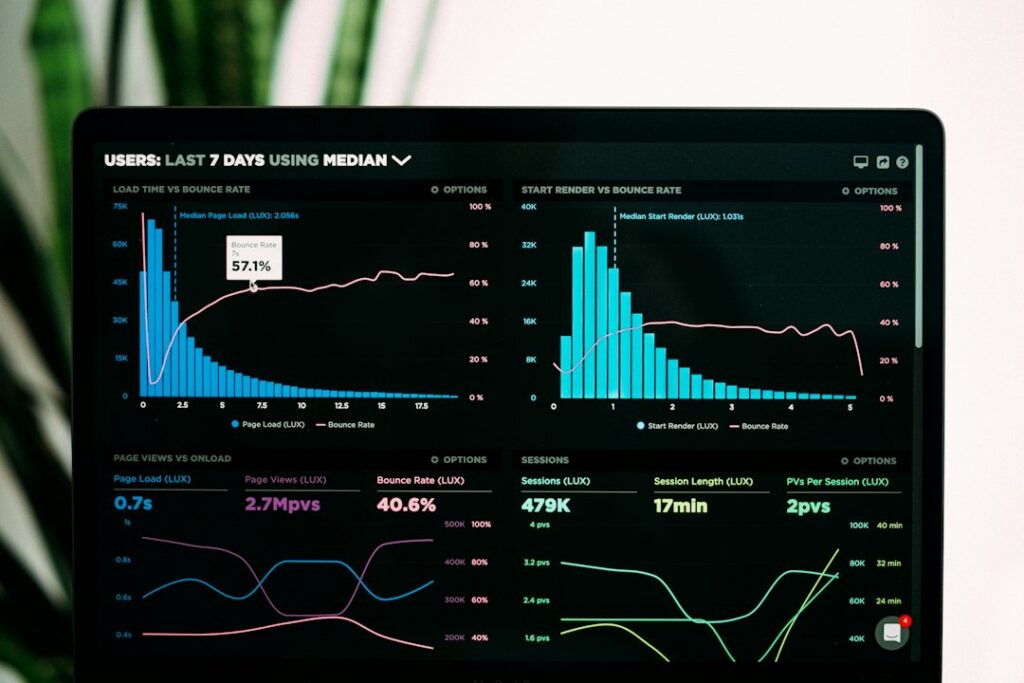
What role does technology play in monitoring patient progress? In modern healthcare, digital tools can make it easier to organize observations, track changes, and support informed clinical decisions. Dr Lauren Papa LA CA represents a professional perspective on how technology can complement patient-focused care by creating clearer ways to review progress over time. Rather than relying on isolated appointments, technology can help connect information gathered across different stages of care.
How can digital records support progress monitoring? Digital documentation allows healthcare professionals to maintain organized records of symptoms, functional observations, treatment responses, and patient feedback. When information is structured consistently, clinicians can review earlier observations alongside current findings. This creates a clearer picture of how an individual is responding to a care plan and whether adjustments may be appropriate.
Why is consistent tracking important? Progress is not always immediately visible. Some changes may develop gradually, while others may appear through improvements in movement, comfort, daily activity, or overall function. Technology can provide useful tools for documenting these developments. Consistent records also encourage a more methodical approach to reviewing patient experiences rather than relying entirely on memory or isolated observations.
How can patients participate in technology-supported monitoring? Patient involvement is increasingly important. Digital questionnaires, symptom journals, activity records, and secure communication tools can allow individuals to share information between appointments. These resources can provide additional context for conversations with healthcare professionals. When patients understand what information is being tracked and why, they may become more engaged in their care journey.
What can data reveal during ongoing care? Structured information can help identify patterns that may otherwise be difficult to recognize. For example, changes in symptoms may correspond with activity levels, daily routines, exercise participation, or other factors. Dr Lauren Papa LA CA highlights the broader value of using technology as a practical support for understanding these patterns while keeping professional judgment and individual needs central to the process.
How does technology influence clinical communication? Clear information can improve conversations between patients and healthcare professionals. Instead of discussing progress only in general terms, clinicians can refer to documented observations and patient-reported experiences. This can encourage more focused discussions about goals, challenges, and possible modifications to an existing approach.
Can technology replace professional evaluation? Technology should be viewed as a supporting resource rather than a substitute for professional assessment. Digital records may organize information effectively, but interpretation still requires clinical knowledge and an understanding of the individual. Physical findings, patient concerns, lifestyle factors, and treatment objectives all remain important parts of responsible healthcare decision-making.
What makes technology useful for long-term monitoring? Simplicity, consistency, privacy, and relevance are important considerations. A useful system should collect information that contributes to meaningful discussions without creating unnecessary complexity. When technology is integrated thoughtfully, it can help maintain continuity and make progress easier to review across different stages of care.
What does the future of technology-supported monitoring look like? Healthcare technology continues to evolve, creating new opportunities for organized documentation and patient engagement. The central objective remains straightforward: use useful information to support better communication and informed care. Dr Lauren Papa LA CA reflects an approach in which technology can serve as a practical bridge between ongoing observation, professional evaluation, and patient participation.
Quick Summary
- Digital tools in healthcare can help organize observations, track changes, and enhance clinical decision-making.
- Structured digital documentation enables healthcare professionals to maintain organized records of patients’ symptoms and treatment responses.
- Consistent progress tracking is crucial as changes may develop gradually and may not be immediately visible.
- Patient participation in technology-supported monitoring can lead to increased engagement in their care journey through tools like digital questionnaires and symptom journals.
- Technology is seen as a complementary resource for clinical communication, facilitating focused discussions about patient progress and treatment modifications.
- Effective healthcare technology should balance simplicity, consistency, privacy, and relevance to support meaningful patient-provider interactions.