Sensex Nifty decline: Why is this the worst trend now?
Sensex Nifty decline continues for the sixth week amid global uncertainty. What does this mean for investors?
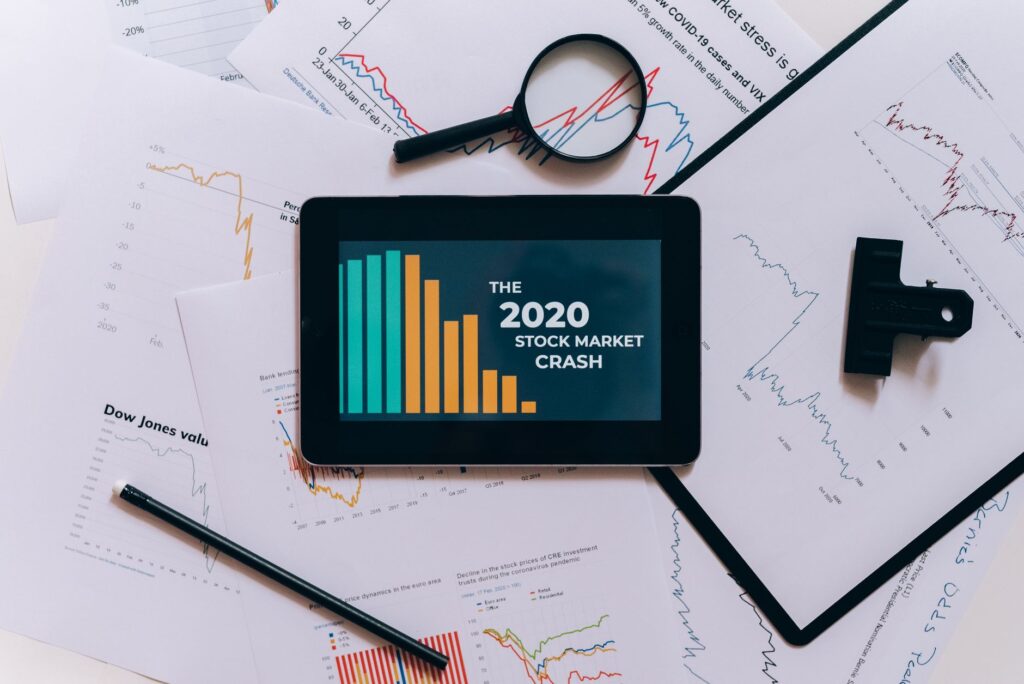
Sensex Nifty decline has persisted for the sixth consecutive week, reflecting ongoing global uncertainty that is affecting market performance. Investors are left wondering how this trend will impact their portfolios.
Market Overview
The recent performance of the Indian stock market has raised significant concerns among investors, as both the Sensex and Nifty have experienced a notable decline. This marks the sixth consecutive week of falling indices, highlighting a troubling trend in an already volatile market.
Global uncertainty has become a critical factor influencing market dynamics. Factors contributing to this decline include:
- Geopolitical tensions: Ongoing conflicts and geopolitical instability have led to increased risk aversion among investors.
- Inflationary pressures: Persistent inflation continues to affect economic growth, leading to uncertainty in corporate earnings.
- Central bank policies: Changes in monetary policies by central banks worldwide have resulted in fluctuating investor sentiments.
- Weak domestic cues: Economic indicators in India, such as GDP growth and consumer spending, have also shown signs of concern.
As the Sensex and Nifty decline, analysts are advising caution. Investors are urged to reassess their portfolios and consider diversifying their investments to mitigate risks associated with the current market environment. The ongoing decline underscores the importance of being informed and strategic in investment decisions, especially during periods of heightened volatility.
With the market grappling with these challenges, many are left wondering what the future holds for the Sensex and Nifty amidst such uncertainty.
Factors Behind the Decline
The recent Sensex Nifty decline has raised concerns among investors and analysts alike. Several factors are contributing to this troubling trend, which has persisted for six consecutive weeks.
- Global Economic Uncertainty: The ongoing geopolitical tensions and inflationary pressures around the world have led to increased volatility in the stock markets. Investors are adopting a cautious approach, weighing their options amid such uncertainty.
- Domestic Inflation: Rising prices of essential commodities have tightened consumer spending. This decline in demand has negatively impacted corporate earnings, causing a ripple effect on stock performance.
- Central Bank Policies: As central banks worldwide, including the Reserve Bank of India, consider tightening monetary policies to combat inflation, market sentiment has turned bearish, further exacerbating the Sensex Nifty decline.
- Profit Booking: After a prolonged period of growth, many investors are opting to book profits, leading to a sell-off in stocks. This has contributed to the downward trend observed in recent weeks.
- Sector-Specific Challenges: Certain sectors, such as technology and real estate, are facing unique challenges that have led to reduced investor confidence and participation.
As these factors continue to unfold, market watchers are keenly observing any potential signs of recovery.
Investor Reactions
Investor reactions to the ongoing Sensex Nifty decline have been varied, reflecting the overall sentiment in the market. Many investors are expressing concern over the prolonged downturn, which has now persisted for six consecutive weeks. This has led to a climate of anxiety, as retail and institutional investors alike reassess their strategies.
As uncertainty looms over global markets, a significant number of investors have opted to liquidate their positions to minimize potential losses. A recent survey indicated that:
- Approximately 40% of retail investors believe the market will continue to decline.
- 30% are considering investing in safer assets, such as bonds and gold.
- Only 20% feel confident in buying the dip, hoping for a market rebound.
The negative trend has also prompted seasoned investors to share their insights. Many are advocating for a cautious approach, emphasizing the importance of diversification and risk management during turbulent times. Some analysts suggest that this is a pivotal moment for investors to reconsider their portfolios and align their investments with long-term goals.
In summary, the current investor sentiment reflects a cautious and reactive approach to the ongoing Sensex Nifty decline, with many feeling the need to adapt to the changing market dynamics.
Global Market Influences
The recent Sensex Nifty decline has been significantly influenced by global market dynamics. Investors have been closely monitoring international trends, which have created a ripple effect on the Indian stock market.
Several factors contribute to this global sentiment:
- Economic Slowdown: Major economies are experiencing slower growth rates, leading to concerns about future earnings and economic stability.
- Geopolitical Tensions: Ongoing conflicts and political instability in various regions have heightened uncertainty, making investors wary.
- Inflationary Pressures: Rising inflation rates in developed nations have led to tighter monetary policies, causing volatility in global markets.
- Supply Chain Disruptions: Persistent supply chain issues continue to affect industries worldwide, impacting production and profitability.
- Interest Rate Hikes: Anticipation of interest rate increases by central banks has resulted in a shift in investor sentiment, prompting a flight to safer assets.
As these global factors intertwine, they contribute to a challenging environment for investors. The ongoing Sensex Nifty decline reflects not only local issues but also the profound impact of international market conditions. With uncertainty prevailing, market participants are closely assessing the situation for potential recovery signs.
Future Predictions
As analysts assess the ongoing Sensex Nifty decline, predictions for the future of the Indian stock market are becoming increasingly cautious. Economic indicators and market sentiments suggest a challenging few months ahead, driven by both domestic and international factors.
- Interest Rate Trends: With central banks globally adopting tighter monetary policies, investors are wary of the potential for rising interest rates to further dampen market sentiment.
- Inflation Concerns: Persistent inflation may force the Reserve Bank of India to adjust its policies, impacting liquidity and, consequently, market performance.
- Corporate Earnings: The upcoming quarterly earnings reports will be critical. Analysts will closely watch if companies can meet profit expectations amid rising costs.
- Geopolitical Risks: Ongoing tensions in various regions may lead to increased volatility, which could further influence the Sensex Nifty decline as investors react to adverse news.
Market experts advise investors to remain cautious and consider diversifying their portfolios. The current trend highlights the need for a strategic approach, focusing on sectors that may withstand economic downturns. As uncertainty looms, the market’s trajectory will depend heavily on both global events and domestic economic policies.
Expert Opinions on the Trend
Analysts and market experts have weighed in on the ongoing Sensex Nifty decline, expressing concerns about the potential long-term implications of this trend. Many believe that the current situation is exacerbated by a combination of local and global uncertainties that are shaking investor confidence.
- Dr. Anil Sharma, Chief Economist: “The decline in the Sensex and Nifty indicates broader economic challenges. Investors are cautious and are pulling back their investments, which could lead to a prolonged downturn if not addressed.”
- Ms. Priya Kapoor, Market Strategist: “We are witnessing a pivotal moment for the markets. The decline is not merely a reaction to global events but reflects underlying economic weaknesses. It’s critical for policymakers to restore confidence.”
- Mr. Rajesh Mehta, Financial Analyst: “This trend could worsen if inflation continues to rise and interest rates increase further. Investors need to be vigilant and consider alternative strategies during this uncertain period.”
Experts recommend that investors remain informed and adapt their strategies in response to these market fluctuations. As the Sensex and Nifty decline, the importance of sound financial planning and risk management cannot be overstated.
The recent Sensex Nifty decline has raised concerns among investors about the stability of the Indian stock market. Analysts believe that this Sensex Nifty decline is driven by a combination of global economic pressures and domestic policy uncertainties.
Photo by Leeloo The First on Pexels