Capacity Expansion Logistics: Proven Strategies for Growth
Capacity expansion logistics can lead to significant growth opportunities. Discover proven strategies to optimize your logistics operations.
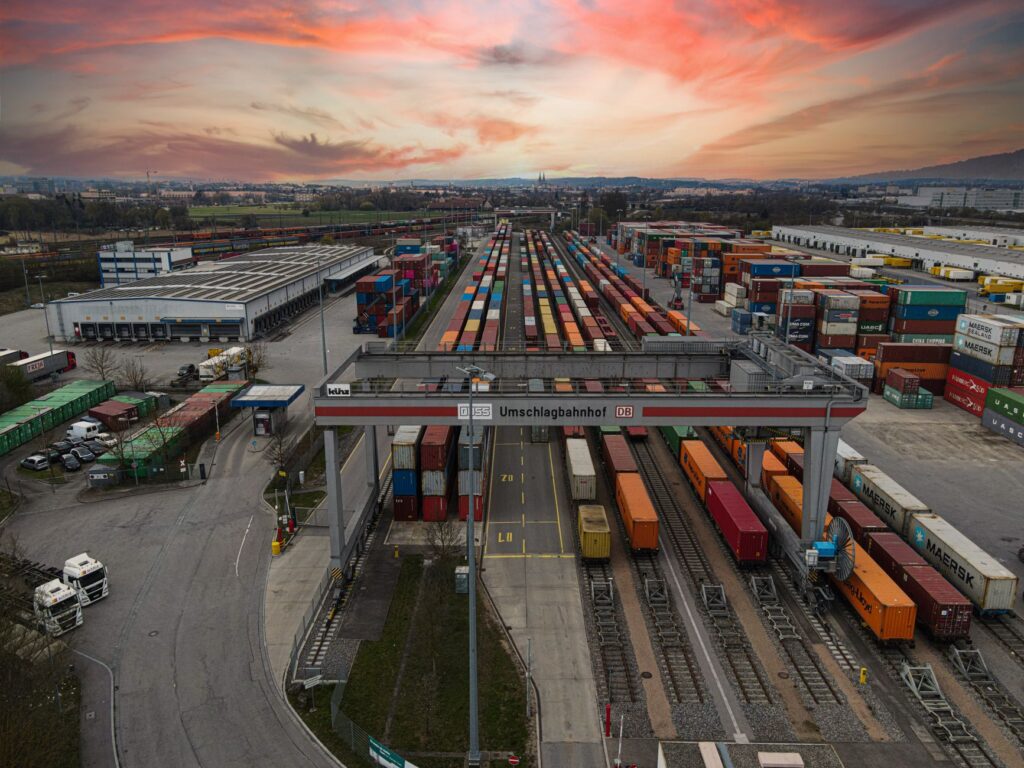
Capacity expansion logistics is a crucial focus for companies aiming to enhance their operational efficiency. As businesses grow, understanding the dynamics of logistics becomes essential.
Understanding Capacity Expansion
Capacity expansion logistics is a critical component for companies aiming to scale their operations and meet increasing demand. As industries evolve, the need for efficient capacity expansion becomes paramount. Companies like MPL are setting ambitious goals, such as targeting a production capacity of 1 million tons per annum (TPA) by 2030, which highlights the importance of strategic planning in logistics.
Understanding the nuances of capacity expansion involves several key factors:
- Market Analysis: Assessing current and future market demands allows businesses to determine the necessary scale of their operations.
- Resource Allocation: Efficient distribution of resources, including labor and materials, is vital to support the expansion process.
- Technology Integration: Leveraging advanced technologies can streamline logistics operations, enhancing overall efficiency.
- Supply Chain Management: A robust supply chain is essential to ensure that materials and products flow smoothly as capacity increases.
Moreover, companies must not overlook the importance of maintaining quality and compliance during expansion. As capacity grows, the need for rigorous quality controls and adherence to industry standards must be prioritized to sustain customer trust and brand reputation.
In conclusion, understanding capacity expansion logistics is crucial for businesses like MPL, as they work towards ambitious growth targets while navigating the complexities of the market.
Why Logistics Matters for Growth
In today’s competitive landscape, effective logistics is crucial for any organization aiming for growth. As businesses plan for capacity expansion logistics, understanding the role of logistics in scaling operations becomes vital. Logistics not only facilitates the movement of goods but also optimizes the supply chain, ensuring that products reach customers timely and efficiently.
One key aspect of logistics is the integration of technology, which helps streamline processes. By adopting advanced logistics solutions, companies can enhance inventory management, reduce operational costs, and improve overall service delivery. Here are several reasons why logistics is a significant factor in growth:
- Improved Efficiency: Efficient logistics operations minimize delays and reduce waste, allowing companies to focus on core activities.
- Cost Reduction: By optimizing supply chains and transportation routes, businesses can significantly lower their operating costs.
- Enhanced Customer Satisfaction: Reliable logistics ensures that products are delivered on time, leading to increased customer loyalty and repeat business.
- Scalability: A robust logistics framework supports scaling operations smoothly, accommodating increased production and distribution needs.
In summary, the significance of logistics in capacity expansion cannot be overstated. Organizations that prioritize logistics as part of their growth strategy will likely see sustainable success in their capacity expansion initiatives.
MPL’s Strategic Goals for 2030
MPL has laid out a comprehensive plan to achieve its strategic goals for 2030, focusing on significant capacity expansion logistics to support its ambitious growth targets. The company aims to reach a capacity of 1 million tons per annum (TPA) by the end of the decade, which will require an intricate network of enhancements across its operations.
Key components of MPL’s strategy include:
- Investment in Infrastructure: To support increased capacity, MPL plans to upgrade existing facilities and invest in new state-of-the-art logistics centers. This will streamline operations and improve efficiency.
- Technological Advancements: The integration of advanced technologies, such as AI and automation, will be crucial. These innovations are expected to optimize supply chain processes and reduce operational costs.
- Partnership Development: MPL is actively seeking partnerships with logistics providers and technology firms to enhance its capabilities. Collaborations will facilitate smoother operations and accelerate capacity expansion logistics.
- Sustainability Initiatives: As part of its growth strategy, MPL is committed to sustainable practices. The company aims to reduce its carbon footprint while expanding capacity, aligning with global environmental standards.
Through these strategic goals, MPL is not only looking to enhance its operational capacity but also to position itself as a leader in the logistics sector by 2030.
The Role of Technology in Logistics
The logistics sector is witnessing a significant transformation, primarily driven by advancements in technology. These innovations are crucial in enhancing capacity expansion logistics, allowing companies to adapt swiftly to changing market demands.
One of the most impactful technologies is automation. Automated warehouses and robotic systems streamline operations, reduce human error, and increase efficiency. As a result, logistics companies can manage larger volumes of goods with fewer resources, directly contributing to capacity expansion.
Additionally, data analytics plays a vital role in optimizing logistics processes. By leveraging real-time data, companies can make informed decisions regarding inventory management, route optimization, and demand forecasting. This analytical approach ensures that resources are utilized effectively, maximizing overall capacity.
Moreover, the integration of Internet of Things (IoT) devices enhances visibility throughout the supply chain. With IoT, logistics managers can track shipments in real-time, monitor equipment performance, and promptly address potential disruptions. This proactive approach is essential for maintaining operational efficiency and supporting capacity expansion logistics.
Finally, the adoption of cloud-based solutions facilitates seamless collaboration among stakeholders. Cloud technology enables better communication, ensuring that everyone involved in the logistics process is on the same page. This collaboration is crucial for executing effective capacity expansion strategies and ultimately achieving growth.
Challenges in Capacity Expansion
As companies pursue capacity expansion logistics, they often encounter several significant challenges that can impede their growth objectives. Identifying and addressing these hurdles is crucial to ensure a smooth and efficient expansion process.
- Supply Chain Disruptions: Unexpected disruptions in the supply chain can lead to delays and increased costs. Factors such as natural disasters, geopolitical tensions, or even global pandemics can significantly impact logistics operations.
- Infrastructure Limitations: Inadequate infrastructure, such as outdated transportation networks and insufficient warehousing facilities, can hinder the ability to scale operations effectively. Upgrading infrastructure requires substantial investment and planning.
- Regulatory Compliance: Navigating local, national, and international regulations can be challenging. Companies must ensure that their logistics operations comply with all relevant laws, which can vary significantly across regions.
- Workforce Challenges: Finding and retaining skilled workers is becoming increasingly difficult in the logistics sector. A shortage of qualified personnel can slow down the expansion process and affect overall productivity.
- Cost Management: Rising costs associated with materials, transportation, and labor can strain budgets. Effective cost management strategies are essential to maintain profitability during expansion.
By proactively addressing these challenges, organizations can better position themselves to leverage capacity expansion logistics as a strategic advantage in their growth journey.
Benefits of Optimizing Logistics Operations
Optimizing logistics operations can significantly enhance a company’s ability to achieve capacity expansion logistics. By streamlining processes and improving efficiencies, organizations can better meet growing demand while minimizing costs.
One of the primary benefits of optimizing logistics is the reduction of operational costs. Efficient logistics can lead to lower transportation expenses, reduced warehousing costs, and decreased labor expenses. Companies can allocate these savings to other areas, such as research and development or marketing initiatives, further driving growth.
Moreover, enhanced logistics operations lead to improved customer satisfaction. Faster delivery times and reliable service ensure that customers receive their products promptly, fostering loyalty and positive brand reputation. This, in turn, can lead to increased sales and market share.
Another significant advantage is the ability to adapt quickly to market changes. Optimized logistics allow for better inventory management, enabling businesses to respond to fluctuations in demand without overcommitting resources. This agility is crucial for companies targeting ambitious growth goals, such as MPL’s aim to reach 1 million TPA by 2030.
Lastly, improved logistics operations provide valuable data insights. Companies can analyze performance metrics to identify areas for further improvement, creating a cycle of continuous enhancement that supports ongoing capacity expansion logistics.
Future Trends in the Logistics Sector
The logistics sector is undergoing a transformative phase, driven by several emerging trends that promise to shape its future. As companies like MPL aim for capacity expansion logistics, understanding these trends becomes essential for strategic planning.
- Automation and Robotics: The integration of automation technologies is set to revolutionize logistics operations. Automated warehouses and delivery drones are becoming commonplace, enhancing efficiency and reducing operational costs.
- Sustainability Initiatives: With growing concerns about climate change, logistics companies are focused on implementing sustainable practices. This includes optimizing routes to reduce emissions and adopting eco-friendly packaging solutions.
- Data Analytics: Advanced analytics tools are enabling businesses to make data-driven decisions. By analyzing supply chain data, companies can more accurately predict demand and optimize inventory management.
- Blockchain Technology: The adoption of blockchain is gaining traction in the logistics industry. It offers enhanced transparency and security, making it easier to track shipments and reduce fraud.
- Last-Mile Delivery Innovations: The emphasis on improving last-mile delivery continues to grow. Companies are exploring various strategies such as crowd-sourced delivery and smart lockers to enhance customer satisfaction.
These trends represent a significant shift in how logistics will operate in the coming years, making capacity expansion logistics not just a goal but a necessity for sustained growth.
Photo by Tobi &Chris on Pexels
Read the original
Builder Possession Dispute: The Worst Case You Need to Know · AB Volvo earnings date: Smart estimates for investors · Civista Bancshares earnings show clear EPS beat but shares drop