New AI Model: The Best Proven Innovations from Meta
New AI model unveiled by Meta offers innovative features and capabilities.
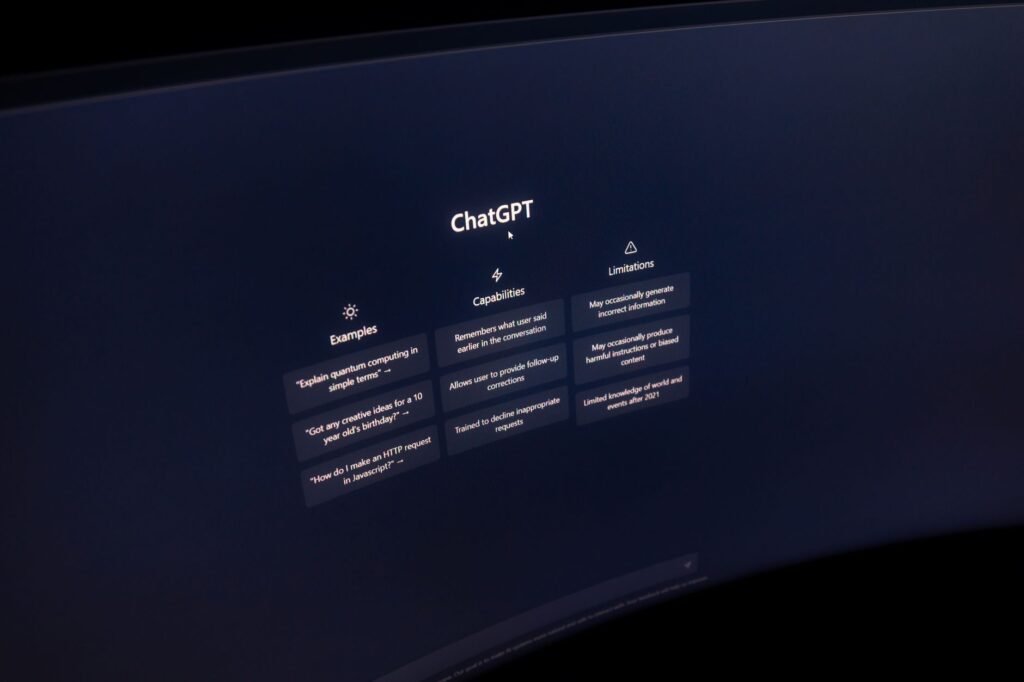
The new AI model from Meta is making waves in the tech industry. With its innovative features, the new AI model promises to enhance user experiences significantly.
What is the Muse Wonder AI Model?
The Muse Wonder AI model is Meta’s latest advancement in artificial intelligence, designed to enhance creative processes across various domains. As the technology landscape rapidly evolves, this new AI model positions Meta to compete with industry leaders like OpenAI and Anthropic.
What sets the Muse Wonder apart is its ability to generate high-quality content that mimics human creativity. This model is trained on a diverse dataset, allowing it to understand and produce text, images, and even music that resonate with users.
Key features of the Muse Wonder AI model include:
- Multimodal Capabilities: The model can process and create across different media formats, making it versatile for various applications.
- Real-Time Collaboration: Users can interact with the AI for on-the-fly adjustments and enhancements, fostering a collaborative creative environment.
- Personalization: The model adapts to individual user preferences, ensuring a tailored experience that meets specific needs.
As businesses and creators seek innovative tools, the Muse Wonder AI model could redefine how we approach creativity, making it an essential asset in the evolving landscape of artificial intelligence.
Key Features of Meta’s New AI Model
Meta’s new AI model, known as Muse Wonder, boasts several key features that set it apart in the competitive landscape of artificial intelligence. These innovations not only enhance its performance but also broaden its applicability across various sectors.
- Enhanced Natural Language Processing: The new AI model excels in understanding and generating human-like text, making it particularly effective for applications in customer service and content creation.
- Multi-Modal Capabilities: Muse Wonder can process and analyze both text and images simultaneously, allowing for richer interactions and more intuitive user experiences.
- Scalable Architecture: This model is designed with scalability in mind, enabling it to handle increased workloads without compromising efficiency or speed.
- Robust Safety Features: Meta has incorporated advanced safety measures to mitigate the risks associated with AI misuse, ensuring responsible deployment in real-world applications.
- Customizable Solutions: Businesses can tailor the new AI model to meet specific needs, facilitating more personalized and relevant outputs.
With these innovations, Meta’s new AI model positions itself as a formidable competitor in the AI industry, demonstrating the company’s commitment to advancing technology responsibly and effectively.
Comparing Muse Wonder with OpenAI and Anthropic
As the landscape of artificial intelligence continues to evolve, the introduction of the new AI model, Muse Wonder, by Meta has prompted comparisons with other industry leaders such as OpenAI and Anthropic. Each of these organizations has made substantial contributions to the field, but their approaches and technologies vary significantly.
Muse Wonder leverages advanced algorithms that focus on enhancing user interaction and personalization. In contrast, OpenAI has gained recognition for its robust natural language processing capabilities, exemplified in models like ChatGPT. Meanwhile, Anthropic emphasizes AI safety and ethical considerations, shaping its model architecture to prioritize alignment with human values.
When comparing these innovative AI models, several factors come into play:
- Performance: Muse Wonder showcases impressive performance metrics in generating coherent and contextually relevant content.
- Usability: OpenAI’s models are known for their user-friendly interfaces, which enhance accessibility for developers and businesses.
- Ethics: Anthropic places a strong focus on ethical AI practices, ensuring that its models are designed with safety in mind.
Overall, the unveiling of Meta’s new AI model marks a significant shift in the competitive dynamics within the AI sector.
Implications for AI Development
The introduction of Meta’s new AI model, Muse Wonder, signifies a pivotal moment in AI development, showcasing a range of implications for the industry.
One significant implication is the potential for enhanced collaboration among tech giants. With Meta now catching up to established players like OpenAI and Anthropic, the competition is likely to drive further innovations in AI technology. This competitive landscape could lead to:
- Accelerated Research: Companies may invest more in AI research, fostering breakthroughs that were previously unattainable.
- Improved Standards: As companies strive to differentiate their offerings, we may see the establishment of higher standards for AI ethics and safety.
- Broader Accessibility: The advancements made by Meta could lead to more accessible AI tools for developers and businesses, democratizing technology.
Moreover, the new AI model could influence educational systems, with institutions adapting curricula to incorporate the latest AI advancements. As Muse Wonder proves its capabilities, educators may prioritize teaching students how to leverage such tools effectively.
In conclusion, the release of Meta’s new AI model not only challenges existing paradigms but also opens the door for a more collaborative and innovative future in artificial intelligence.
User Reactions and Feedback on Muse Wonder
User reactions to Meta’s new AI model, Muse Wonder, have been largely positive, reflecting excitement and anticipation in the tech community. Users have taken to social media platforms to share their experiences, highlighting the model’s impressive capabilities and innovative features.
Many users have praised Muse Wonder for its user-friendly interface, allowing both novices and experts to navigate its functions with ease. Feedback has noted the model’s ability to generate high-quality content and respond to complex queries, marking a significant step forward in AI technology.
Some users have expressed surprise at the accuracy of the model, stating that it often produces results that are not only contextually relevant but also display a depth of understanding that rivals existing competitors. However, a few criticisms have emerged, mainly concerning the model’s occasional misinterpretation of nuanced requests.
Overall, the feedback suggests that Meta’s new AI model is well-received, with users eagerly awaiting future updates and enhancements. As developers continue to refine Muse Wonder, it may pave the way for a new standard in AI performance and usability.
In summary, the community’s enthusiasm reflects a growing confidence in Meta’s commitment to advancing AI technology and its potential for broader applications.
Photo by Matheus Bertelli on Pexels