Nintendo game history: What’s the best way to document it?
Nintendo game history is being documented by a new hire. Find out why this matters!
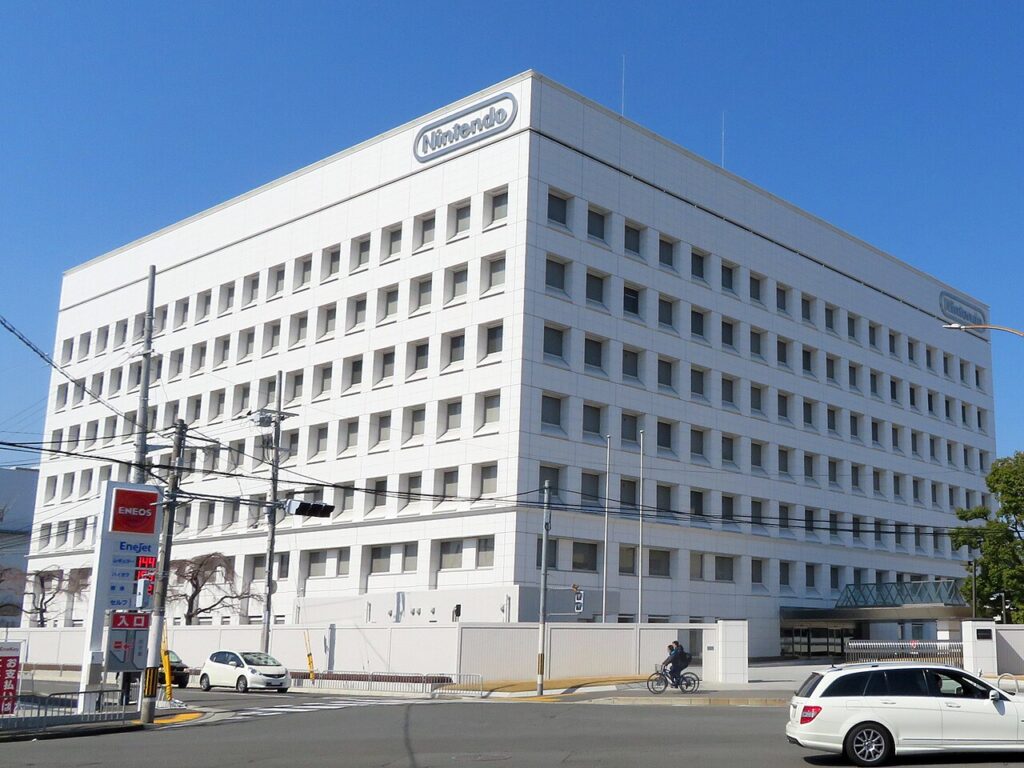
Nintendo game history is crucial for understanding the evolution of gaming. The company is now hiring someone to help document this rich legacy, highlighting its impact on the gaming industry.
Why is documenting Nintendo game history important?
Documenting the history of Nintendo games is crucial for several reasons that extend beyond mere nostalgia. Firstly, it preserves the rich legacy of one of the most influential companies in the gaming industry. As new generations of players emerge, understanding the origins and evolution of Nintendo games can foster appreciation for their innovative designs and storytelling techniques.
Furthermore, a well-documented history can serve as a valuable resource for researchers, historians, and enthusiasts who seek to analyze trends in game development and technology. It can help illustrate how Nintendo has adapted to changing market conditions and consumer preferences over the decades.
Additionally, with the rise of independent developers and the increased interest in retro gaming, documenting Nintendo game history becomes a way to connect past creations with present and future innovations. This connection not only highlights the importance of legacy but also inspires new game designers by showcasing the creativity and challenges faced by earlier developers.
Moreover, as Nintendo expands its multimedia presence, including films and merchandise, having a comprehensive record of its gaming history can enhance storytelling across platforms. Ultimately, preserving this history ensures that the impact of Nintendo games is recognized and celebrated for years to come.
The role of the new hire at Nintendo
Nintendo’s decision to hire someone specifically to document the history of its games highlights the importance of preserving the legacy of their iconic titles. The new hire will play a crucial role in ensuring that the stories behind beloved franchises are accurately captured and shared with fans and future generations.
Responsibilities will likely include:
- Researching: The new team member will delve into archives, interviews, and other resources to gather comprehensive information about game development processes, artistic choices, and cultural impacts.
- Documentation: Creating detailed records of each game’s history, including its conception, evolution, and reception, is essential for an accurate portrayal of Nintendo game history.
- Collaboration: Working with game developers, historians, and marketing teams to ensure that the narrative aligns with Nintendo’s vision and maintains the integrity of the brand.
- Engagement: Developing ways to engage with fans, potentially through interactive exhibits or digital content, to foster a deeper appreciation of Nintendo’s rich gaming heritage.
As Nintendo continues to innovate, the role of this new hire will be vital in bridging the gap between the past and the future, ensuring that the stories of its games are not only documented but celebrated.
Key moments in Nintendo’s game history
Nintendo has a rich and storied game history that spans several decades, marked by innovative gameplay, iconic characters, and groundbreaking technology. Understanding these key moments is crucial for anyone looking to appreciate the company’s impact on the gaming industry.
- 1981: Donkey Kong – This arcade game introduced Mario, who would go on to become a beloved mascot for Nintendo and the gaming world.
- 1985: Super Mario Bros. – A pivotal release that revolutionized platform gaming and set the standard for future titles.
- 1996: The Legend of Zelda: Ocarina of Time – A landmark title in 3D gaming that received critical acclaim and is often cited as one of the greatest games of all time.
- 2006: Wii Launch – The introduction of motion controls made gaming more accessible to a broader audience, changing how people interact with games.
- 2017: Nintendo Switch – This hybrid console redefined how games are played, allowing users to seamlessly switch between handheld and traditional gaming.
Documenting these key moments in Nintendo’s game history not only preserves the legacy of the company but also enhances the appreciation for its contributions to the gaming landscape.
Impact of Nintendo on the gaming industry
Nintendo has had a significant impact on the gaming industry, shaping not only the way games are developed but also how they are experienced by players around the world. Since its inception, the company has introduced groundbreaking innovations that have set trends and standards within the industry.
One of the most notable contributions is the introduction of the Nintendo Entertainment System (NES), which revitalized the video game market in the 1980s and established Nintendo as a household name. This console brought iconic franchises like Super Mario and The Legend of Zelda into the mainstream, demonstrating the power of compelling storytelling and character development.
Furthermore, Nintendo’s focus on family-friendly content has created a unique niche that appeals to gamers of all ages. The introduction of the Wii in 2006 revolutionized gaming with its motion-sensing technology, making gaming more accessible to a broader audience.
As we delve into the Nintendo game history, it becomes clear that the company’s willingness to innovate and adapt has played a crucial role in its enduring success. From pioneering 3D graphics to creating immersive gameplay experiences, Nintendo’s influence on the gaming landscape cannot be overstated.
As the company continues to evolve, documenting its rich history will be essential for future generations of gamers and developers alike.
How will this documentation be done?
The documentation of Nintendo game history will be approached with a comprehensive and multi-faceted strategy aimed at capturing the rich legacy of the company. This process will involve several key steps:
- Research and Gathering: The new hire will begin by collecting data from various sources, including interviews with long-time employees, archived materials, and historical documents related to Nintendo’s games.
- Organizing Information: Once the data is collected, it will need to be meticulously categorized. This will involve creating timelines for major releases, identifying significant technological advancements, and documenting cultural impacts.
- Creating Narratives: The next step will involve weaving the collected data into engaging narratives that highlight the evolution of Nintendo’s game history. This storytelling aspect is crucial for making the documentation accessible and interesting to fans and scholars alike.
- Utilizing Digital Platforms: To reach a broader audience, the documentation will leverage digital platforms, including interactive timelines, podcasts, and dedicated websites that can house multimedia content.
- Collaboration with Fans: Engaging with the gaming community will be essential. The documentation process will involve soliciting input and stories from fans, ensuring that the history reflects the diverse experiences of those who have enjoyed Nintendo’s games.
Future of Nintendo’s game history documentation
As Nintendo embarks on the journey to document its extensive game history, the future of this initiative appears promising yet challenging. The newly appointed historian will play a pivotal role in uncovering the rich tapestry of Nintendo’s contributions to the gaming landscape. This documentation will not only highlight iconic titles but also delve into the cultural impact these games have had over the years.
With a focus on preserving the legacy of beloved franchises, the historian will likely explore various mediums, including:
- Interviews with key developers and designers who shaped the Nintendo experience.
- Archival research to locate forgotten documents, art, and prototypes that offer insights into the creative process.
- Community engagement by collaborating with fans and historians who have documented their own experiences and knowledge.
- Digital archives that utilize modern technology to create interactive timelines and databases of Nintendo’s game history.
Furthermore, the historian’s work may include documenting how Nintendo’s game history influenced trends in the industry and shaped gaming culture worldwide. Ultimately, the success of this documentation will not only celebrate Nintendo’s past but also inspire future generations of game developers and enthusiasts.
To effectively capture the essence of Nintendo game history, one could explore various multimedia formats that showcase gameplay, artwork, and player experiences. Additionally, a collaborative approach involving fans and historians can enrich the narrative of Nintendo game history.
via Wikimedia Commons