India auto dealers inventory pressure: Worst retail sales drop
India auto dealers inventory pressure is causing a significant retail sales drop of 23.8% post-festive season.
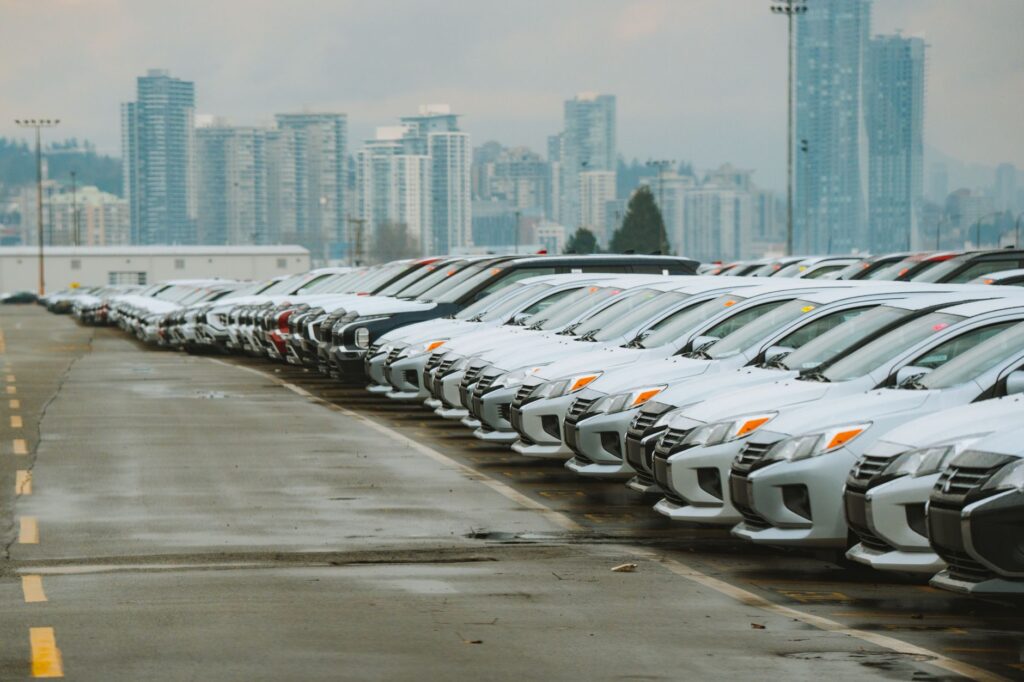
India auto dealers inventory pressure is becoming increasingly evident as October retail sales fall by 23.8%, highlighting challenges in the market.
Understanding the Current Market Landscape
The Indian automotive market is currently experiencing significant challenges, as auto dealers face considerable inventory pressure following a dramatic decline in retail sales. According to recent reports, October saw a staggering 23.8% drop in retail sales, marking one of the worst performances in recent years. This downturn follows a traditionally robust festive season, during which demand typically surges.
Factors contributing to this inventory pressure include:
- Supply Chain Disruptions: Ongoing challenges in manufacturing and logistics have left dealers with excess inventory.
- Changing Consumer Preferences: An increasing shift towards electric vehicles (EVs) has resulted in declining interest in conventional models.
- Economic Uncertainty: Rising inflation rates and economic instability have led consumers to postpone purchases.
Despite the overall decline, the EV market is witnessing a surge, with sales hitting a record high. This shift may provide opportunities for dealers to adapt their inventory strategies in response to evolving consumer demands. However, the immediate future remains challenging as auto dealers navigate the pressures of high inventory levels and reduced sales.
Impact of Festive Sales on Inventory Levels
The recent festive season, typically a boon for auto sales in India, has left dealers grappling with significant inventory pressure. As demand fell sharply post-festivities, the stockpiles of unsold vehicles have surged, leading many dealers to reassess their strategies.
According to industry experts, the impact of festive sales on inventory levels has been profound. The expectations for a sales spike during the festive period did not materialize as anticipated, resulting in a staggering 23.8% drop in retail sales in October. This decline has forced auto dealers to confront the reality of overstocked inventories.
Key factors contributing to this situation include:
- Shifts in consumer preferences: Buyers are increasingly leaning towards electric vehicles (EVs), which have seen record sales, further complicating inventory management for conventional vehicle dealers.
- Uncertainty in the economy: Rising inflation and fluctuating fuel prices have made consumers more cautious in their spending.
- Supply chain delays: Ongoing disruptions have contributed to mismatches in supply and demand.
As a result, India’s auto dealers are under significant pressure to find ways to manage their inventory effectively amidst changing market dynamics.
Record Highs in EV Sales Amidst Challenges
Despite the challenges faced by the automotive market, particularly with India auto dealers experiencing significant inventory pressure, electric vehicle (EV) sales have reached record highs. The surge in demand for EVs comes at a time when traditional vehicle sales are faltering, largely due to inventory challenges that have plagued dealers post-festive season.
Statistics reveal that EV sales in October soared, reflecting a growing consumer preference for sustainable transportation options. This shift is attributed to several factors:
- Government Incentives: Attractive subsidies and tax benefits have made EVs more appealing to buyers.
- Environmental Awareness: Increased consciousness regarding climate change has prompted consumers to consider eco-friendly alternatives.
- Improved Infrastructure: The expansion of charging stations has alleviated range anxiety, encouraging more consumers to transition to electric vehicles.
While the spike in EV sales is promising, it does highlight the pressing issue of inventory management for auto dealers. Balancing the growing demand for EVs against the backdrop of traditional vehicle stockpiles presents a unique challenge as the market adapts to changing consumer preferences.
Analyzing the 23.8% Drop in Retail Sales
The recent data revealing a 23.8% drop in retail sales has raised significant concerns among auto dealers in India as they grapple with increasing inventory pressure. This decline represents one of the steepest falls in recent years, highlighting the challenges faced by the auto industry post-festive season.
Several factors have contributed to this alarming trend:
- Consumer Sentiment: A combination of economic uncertainty and changing purchasing preferences has led many consumers to delay their vehicle purchases.
- Inventory Management: Dealers are now faced with the dual challenge of managing existing stock while anticipating future demand, which has become increasingly unpredictable.
- Price Sensitivity: Rising costs and interest rates have made potential buyers more cautious, further straining sales figures.
As auto dealers in India navigate through this inventory pressure, the need for strategic planning and adaptation to consumer behavior will be crucial. With the festive purchasing period having failed to yield expected results, the industry must now focus on innovative solutions to rejuvenate sales and manage stock levels effectively.
Future Outlook for India’s Auto Dealers
The future outlook for India’s auto dealers appears challenging as they grapple with inventory pressure following a significant drop in retail sales. The recent data indicates that a staggering 23.8% decline in October retail sales has left many dealers with excess stock, particularly in the traditional combustion engine segments.
Dealers now face the dual challenge of managing existing inventory while preparing for potential shifts in consumer preferences. The rise of electric vehicles (EVs) has contributed to this pressure, as many dealers are now pivoting their focus towards EVs to meet demand. This transition, however, requires substantial investment in training, infrastructure, and marketing.
Experts suggest that to mitigate inventory pressure, auto dealers might need to:
- Enhance customer engagement: Building strong relationships with customers can help boost sales.
- Adapt pricing strategies: Competitive pricing may attract buyers in a stagnant market.
- Diversify offerings: Expanding product lines to include more EVs can help balance inventories.
In conclusion, navigating the current landscape will require vigilance and adaptability from India’s auto dealers to overcome the ongoing inventory pressure.
Strategies for Managing Inventory Pressure
The current inventory pressure faced by auto dealers in India has prompted many to adopt innovative strategies to navigate these challenging times. As retail sales experience a significant decline, dealers are exploring various approaches to streamline operations and manage their stock levels effectively.
One key strategy involves:
- Optimizing Supply Chain Operations: Dealers are working closely with manufacturers to ensure timely deliveries and reduce excess inventory.
- Implementing Dynamic Pricing: Adjusting prices based on current market demand can help maintain sales momentum and alleviate inventory pressure.
- Enhancing Customer Engagement: Focus on personalized marketing and communication to attract buyers and convert leads into sales.
- Diversifying Product Offerings: Expanding the range of vehicles, including electric models, can cater to a wider audience and improve turnover.
These strategies not only address immediate inventory concerns but also prepare dealers for a more resilient future. As the market evolves, adapting to consumer preferences and maintaining flexibility in operations will be crucial for managing India auto dealers’ inventory pressure effectively.
Comparative Analysis with Previous Years
The current inventory pressure faced by India’s auto dealers marks a significant shift when compared to previous years. In recent times, the market has seen fluctuating trends in retail sales, heavily influenced by economic conditions and consumer preferences.
In 2021, for instance, the automotive sector experienced a brief recovery post-lockdown, with retail sales showing a year-on-year increase of around 10%. However, the situation deteriorated in 2022, with sales dipping by approximately 5% as supply chain disruptions and semiconductor shortages hindered production capabilities.
This year, the scenario has drastically changed, with a staggering 23.8% drop in retail sales reported in October. The pressure on inventory levels has intensified, causing auto dealers to reassess their strategies. The festive season, which typically boosts sales, has not yielded the expected benefits, leaving many dealers grappling with unsold stock.
The comparative analysis reveals a concerning trend: while dealers previously managed to sustain inventory levels during seasonal peaks, the current environment of inventory pressure suggests a need for urgent adaptations in marketing and sales approaches to navigate these challenging times.
The ongoing India auto dealers inventory pressure has led to significant challenges for retailers in the automotive sector. As a result, many are struggling to maintain competitive pricing while facing the worst retail sales drop in years.
Photo by Luke Miller on Pexels