Are AR glasses for enterprise the best tech solution?
AR glasses for enterprise are gaining traction with Snap’s new partnerships.
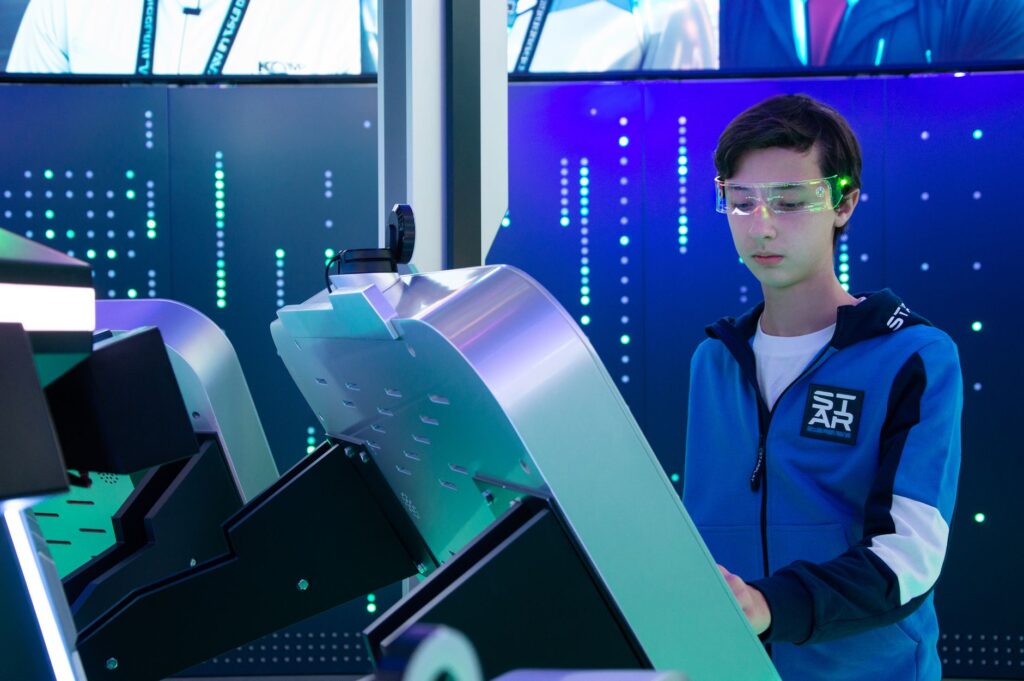
AR glasses for enterprise are becoming a focal point as Snap partners with industry giants to enhance their market presence.
Snap’s new partnerships
Snap Inc. is making significant strides in the enterprise sector by forming strategic partnerships with major technology companies. This move aims to enhance the development and deployment of AR glasses for enterprise use. By collaborating with Nvidia, Snap seeks to leverage powerful graphics processing capabilities to deliver high-quality augmented reality experiences tailored for business applications.
In addition to Nvidia, Snap has also partnered with Amazon Web Services (AWS). This collaboration is expected to provide robust cloud computing solutions, allowing businesses to store and analyze data collected through AR glasses. Such integration ensures that enterprises can harness real-time insights and improve decision-making processes.
Furthermore, Snap’s alliance with Salesforce emphasizes the potential of AR glasses in customer relationship management. By incorporating augmented reality tools, businesses can engage with customers more effectively and personalize their experiences, ultimately driving sales and customer satisfaction.
These partnerships highlight Snap’s commitment to positioning AR glasses for enterprise as a viable and innovative tech solution. As the demand for immersive technology grows in the business world, these collaborations may pave the way for the widespread adoption of AR glasses across various industries.
The role of Nvidia in AR development
Nvidia is playing a pivotal role in the evolution of AR glasses for enterprise, providing the necessary technology to enhance user experiences. With its advanced graphics processing units (GPUs) and AI capabilities, Nvidia is enabling developers to create more immersive and interactive applications tailored for businesses.
One of the key contributions from Nvidia is its support for real-time rendering and simulation, which is essential for creating realistic AR environments. This technology allows users to visualize complex data and collaborate seamlessly in virtual settings, making AR glasses for enterprise a more practical solution.
Furthermore, Nvidia’s partnerships with companies like Snap, AWS, and Salesforce are driving innovation in the AR space. By leveraging cloud computing and AI, businesses can harness the power of AR to improve productivity and efficiency. This collaboration is crucial for integrating AR technology into everyday business operations.
As enterprises seek ways to enhance training, maintenance, and remote assistance, the demand for AR glasses is expected to grow. Nvidia’s commitment to advancing AR technology positions it as a leader in the field, ensuring that enterprises have access to the best tools for their needs. This synergy between Nvidia and other tech giants highlights the potential of AR glasses to transform business operations.
How AWS supports AR technology
Amazon Web Services (AWS) plays a crucial role in the development and deployment of AR glasses for enterprise applications. By providing robust cloud infrastructure, AWS enables companies to harness the power of augmented reality seamlessly, ensuring that data is processed in real time. This capability is vital for enterprise users who require immediate access to information while engaging with AR environments.
One of the key advantages of AWS is its extensive suite of services tailored for AR technology, including machine learning and analytics. These services empower enterprises to create customized AR experiences that enhance productivity and decision-making. Companies can leverage AWS’s scalable resources to manage large volumes of data generated by AR glasses, facilitating smoother operations and improved user experiences.
In addition, AWS offers security and compliance features that are critical for enterprise applications. With sensitive information often involved in business processes, AWS’s comprehensive security protocols ensure that data remains protected while using AR glasses for enterprise solutions.
The combination of AWS’s cloud capabilities and the innovative potential of AR glasses positions organizations to transform their workflows, making them more efficient and data-driven. As collaborations between tech giants continue to evolve, the future of AR in the enterprise sector looks promising.
Salesforce’s impact on enterprise tools
Salesforce’s influence on enterprise tools has become increasingly significant as companies seek to integrate advanced technologies into their operations. As the demand for AR glasses for enterprise rises, Salesforce is stepping up to provide the necessary infrastructure to support this shift. Through its innovative cloud solutions, Salesforce enables businesses to manage customer relationships more effectively while leveraging augmented reality to enhance the overall user experience.
The integration of AR glasses into Salesforce’s ecosystem can streamline various processes, from training employees to improving customer engagement. For instance, organizations can utilize AR to create immersive training modules that allow employees to interact with virtual scenarios, ultimately resulting in better retention of information and skills.
Moreover, Salesforce’s robust analytics tools can analyze the data generated by AR applications, offering insights that help businesses make informed decisions. This synergy between AR technology and Salesforce’s capabilities not only enhances productivity but also fosters a culture of continuous learning and adaptation.
As companies increasingly recognize the potential of AR glasses for enterprise, Salesforce’s role in facilitating these advancements positions it as a key player in the future of enterprise tools. The collaboration between major tech companies further exemplifies the growing trend of integrating AR into everyday business operations.
Benefits of AR glasses for business
As businesses continue to seek innovative solutions to enhance productivity and streamline operations, AR glasses for enterprise present a range of compelling benefits. These advanced devices leverage augmented reality technology to transform how teams collaborate and engage with their workflows.
One of the primary advantages of AR glasses is their ability to provide real-time information directly in the user’s field of vision. This feature allows employees to access crucial data without interrupting their tasks, thereby increasing efficiency and reducing the likelihood of errors. Additionally, hands-free operation enables workers to maintain focus on their responsibilities while still receiving guidance and support.
Moreover, AR glasses can facilitate remote collaboration. This technology enables experts to provide assistance or training to on-site staff from anywhere in the world, bridging geographical gaps and fostering a more connected workforce. Businesses can save significant time and resources by minimizing travel needs and optimizing training processes.
Finally, the immersive experiences offered by AR glasses can enhance product demonstrations and customer interactions, allowing businesses to showcase their offerings in engaging and interactive ways. As more companies explore the potential of AR technology, the integration of AR glasses for enterprise could redefine operational effectiveness and innovation in various industries.
Challenges in the AR enterprise market
The market for AR glasses for enterprise faces several significant challenges that could hinder widespread adoption. One of the primary issues is the high cost of development and integration. Many businesses are hesitant to invest heavily in new technology without clear, demonstrable ROI, making it essential for firms to showcase the tangible benefits of AR solutions.
Another challenge is the need for seamless compatibility with existing systems and software. Organizations often rely on a complex array of tools and platforms, and introducing AR glasses must not disrupt their current workflows. This integration can be both technically challenging and time-consuming, leading to potential resistance from employees.
Furthermore, there are concerns related to user experience and ergonomics. Many users report discomfort when wearing AR glasses for extended periods, which can limit their effectiveness in a workplace setting. Addressing these concerns is crucial for ensuring that employees can utilize the technology without distraction or fatigue.
Lastly, privacy and security issues must be considered, as AR glasses can collect sensitive information. Businesses must establish clear guidelines and safeguards to protect both their data and their employees’ privacy, which adds another layer of complexity to the adoption process.
Future of AR glasses in enterprise
The future of AR glasses for enterprise appears promising, as advancements in technology continue to reshape the way businesses operate. Companies are increasingly recognizing the potential of augmented reality to enhance productivity and streamline operations. As more enterprises adopt these innovative tools, the market for AR glasses is likely to expand significantly.
One of the key factors driving the growth of AR glasses in the enterprise sector is the ability to provide immersive training experiences. Employees can learn in a simulated environment, reducing the risks associated with traditional training methods. This not only accelerates the learning curve but also improves retention of information.
Moreover, AR glasses can facilitate remote collaboration, allowing teams to work together seamlessly across different locations. With features such as real-time data visualization and interactive displays, employees can engage with complex information more intuitively.
However, for AR glasses to become the best tech solution for enterprises, challenges such as cost, user adoption, and integration with existing systems must be addressed. As companies like Snap continue to innovate and collaborate with tech giants like Nvidia and AWS, the future of AR glasses in enterprise settings looks increasingly bright.
Many companies are exploring the potential benefits of AR glasses for enterprise, as they can enhance productivity and streamline operations. Additionally, the integration of AR glasses for enterprise can revolutionize training processes and improve collaboration among teams.
Photo by Vika Glitter on Pexels