Exploring the Role of Advanced Vascular Care in Peripheral Artery Disease
Explore the clinical presentation of peripheral artery disease and advanced vascular care.
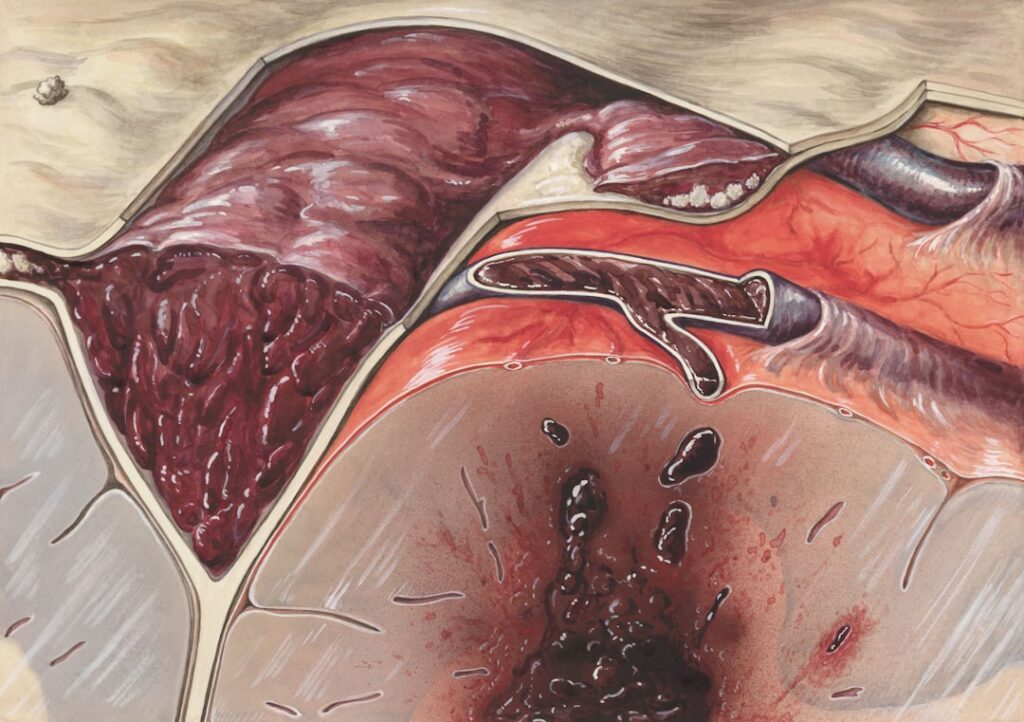
Peripheral artery disease can gradually restrict blood flow to the lower limbs, creating symptoms that range from exercise-related discomfort to serious circulation problems. Because the condition may progress without obvious warning signs, clinical awareness is essential. Research and specialized vascular practice associated with Dr Jihad Mustapha Florida emphasize the value of examining PAD through a comprehensive framework that includes diagnosis, risk-factor management, treatment selection, and continued follow-up.
Jump To
- The Clinical Presentation of PAD
- The Value of Accurate Diagnosis
- Lifestyle and Medical Management
- Advanced Options for Difficult Cases
- The Importance of Continued Monitoring
- A Comprehensive Approach to Vascular Health
The Clinical Presentation of PAD
Patients with PAD can experience different symptoms depending on the severity and location of arterial narrowing. Leg pain during walking is a common presentation, but it is not universal. Some individuals notice heaviness, tiredness, numbness, or weakness instead.
A decline in walking distance can be an important indicator even when discomfort is mild. More serious circulation impairment can cause pain during rest, particularly in the feet. Skin changes and wounds that heal slowly may also indicate that tissues are not receiving adequate blood supply.
The Value of Accurate Diagnosis
Clinical assessment is an essential first step. Physicians may review medical history, evaluate pulses, and examine the legs and feet for physical signs of impaired circulation.
Vascular testing can provide objective information about blood flow. Depending on symptoms and examination findings, additional imaging may help identify arterial narrowing and establish its anatomical characteristics.
Accurate diagnosis also helps distinguish PAD from other conditions that can cause leg discomfort. A careful evaluation allows treatment decisions to be based on clinical evidence rather than symptoms alone.
Lifestyle and Medical Management
Managing PAD often requires a long-term strategy. Physical activity may be recommended to support walking ability and functional health when appropriate. Nutrition, smoking cessation, blood pressure management, diabetes control, and cholesterol management may also form important parts of an overall vascular plan.
These measures are valuable because PAD can be associated with broader cardiovascular disease. Improving vascular risk factors may therefore support health beyond the affected limb.
Advanced Options for Difficult Cases
When arterial disease causes persistent limitations or threatens tissue health, specialists may consider procedural treatment. Endovascular techniques can provide minimally invasive methods for improving blood flow in selected circumstances.
Treatment decisions require careful consideration of anatomy, symptoms, previous interventions, and overall health. Complex cases may require specialized expertise and individualized planning.
The clinical and research efforts associated with Dr Jihad Mustapha Florida reflect the continuing development of strategies for patients with challenging peripheral vascular disease. Advances in vascular medicine depend on research that evaluates new techniques, improves patient selection, and examines ways to achieve durable clinical benefits.
The Importance of Continued Monitoring
Even after symptoms improve, PAD requires ongoing attention. Follow-up appointments can help evaluate circulation, walking ability, wounds, and cardiovascular risk factors. Patients should promptly report changes rather than waiting for symptoms to become severe.
Foot care is another important consideration. Individuals with diabetes or reduced sensation should routinely inspect their feet for cuts, blisters, color changes, or other abnormalities. Early medical assessment can be particularly important when circulation is impaired.
A Comprehensive Approach to Vascular Health
Peripheral artery disease should be viewed as more than a localized problem involving the legs. It can provide valuable information about a person’s broader vascular health. Effective care therefore combines symptom recognition, diagnostic testing, lifestyle measures, medical management, procedural options when appropriate, and long-term follow-up.
The continuing work associated with Dr Jihad Mustapha Florida contributes to the wider understanding of complex peripheral vascular disease and the evolving role of specialized treatment. For patients, the most important principle is to take circulation-related symptoms seriously and seek professional evaluation. Early attention, informed decision-making, and consistent vascular care can help support mobility, tissue health, and overall well-being.
Quick Summary
- Peripheral artery disease (PAD) restricts blood flow to the lower limbs, leading to symptoms like leg pain and serious circulation problems.
- Clinical assessment and vascular testing are critical for accurately diagnosing PAD and distinguishing it from other conditions that may cause leg discomfort.
- Managing PAD may involve a long-term strategy that includes physical activity, nutrition, smoking cessation, and cholesterol management.
- Advanced treatment options, such as endovascular techniques, are considered for patients with persistent limitations or threatened tissue health due to arterial disease.
- Ongoing monitoring and follow-up appointments are essential for evaluating circulation, walking ability, and cardiovascular risk factors in PAD patients.
- PAD should be regarded as a broader vascular health issue, necessitating a comprehensive approach that combines symptom recognition, diagnostic testing, and ongoing care.