Top Trending Insights: Rolex Resale Value and Secondary Market Performance
The luxury watch industry continues to demonstrate remarkable resilience, with secondary market activity expanding year after year. Investors and…
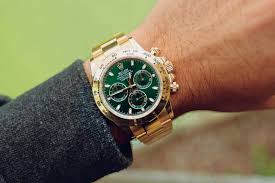
The luxury watch industry continues to demonstrate remarkable resilience, with secondary market activity expanding year after year. Investors and collectors alike are increasingly studying how rolex models perform beyond retail purchase, particularly as demand often exceeds supply across popular collections. Understanding resale value trends, depreciation curves, and buyer behavior is essential for anyone considering a timepiece as both a lifestyle accessory and a financial asset.
What Makes Rolex Resale Value So Strong?
Rolex consistently ranks among the most retained-value luxury watch brands worldwide. Industry data from recent secondary market reports indicates that select stainless steel sports models often retain between 90% and 120% of their original retail price, depending on condition and production year. Limited availability, controlled production, and high global recognition contribute significantly to this stability.
In addition, pre-owned luxury watch sales have grown by approximately 8–10% annually in recent years. Analysts attribute this expansion to increased digital marketplace transparency, authentication technologies, and rising interest from younger collectors entering the luxury segment.
Which Models Perform Best on the Secondary Market?
Statistical reviews show that professional sports models tend to outperform dress models in terms of resale performance. Stainless steel references, particularly those with classic dial configurations, often experience stronger demand compared to precious metal versions.
Market indicators reveal that:
- Stainless steel sports watches show the highest liquidity
• Vintage references from specific production decades attract premium collectors
• Watches with original box and papers command 10–20% higher resale value
• Limited dial variations can increase secondary pricing by 15% or more
Condition grading plays a critical role. A watch rated as “excellent” or “like new” can achieve significantly better resale outcomes than heavily worn examples.
How Does Supply and Demand Influence Pricing?
The secondary watch market operates similarly to financial markets—pricing adjusts based on availability and global demand. Retail waitlists and controlled distribution strategies often push buyers toward pre-owned channels, increasing short-term premiums for certain references.
Economic cycles also impact behavior. During stable economic periods, luxury watch investments tend to rise as consumers seek tangible assets. Interestingly, even during economic slowdowns, high-demand models frequently maintain value better than many other discretionary luxury goods.
Recent market tracking suggests that over 65% of pre-owned luxury watch buyers research resale value before making a purchase. This indicates a shift from purely emotional buying decisions toward more data-driven acquisitions.
Are Rolex Watches a Good Investment?
While luxury watches should primarily be purchased for personal enjoyment, resale statistics suggest strong long-term value retention. Over a ten-year holding period, historically popular references have demonstrated consistent price appreciation, especially when maintained in excellent condition.
However, not all models appreciate equally. Factors influencing long-term performance include:
- Production volume
• Material composition
• Cultural relevance and visibility
• Market saturation levels
• Historical significance
Buyers focusing on timeless designs rather than trend-based releases typically experience more stable long-term outcomes.
What Role Does Authenticity Play in the Secondary Market?
Authentication and documentation are central to maintaining value. Industry reports estimate that fully documented watches sell 15–25% faster than undocumented examples. Professional verification, serial number matching, and service history records significantly improve buyer confidence.
Digital resale platforms and specialized dealers have introduced stricter inspection protocols, helping stabilize market prices and reduce counterfeit risks. As transparency improves, market volatility tends to decrease.
How Is the Secondary Market Evolving?
The global pre-owned luxury watch market is projected to reach multi-billion-dollar valuations in the coming years. Online sales channels now account for nearly 40% of total secondary transactions, reflecting a shift toward digital convenience.
Emerging trends include:
- Younger buyers entering the luxury resale market
• Increased interest in sustainable consumption
• Cross-border purchasing growth
• Rising demand in Asia and the Middle East
• Data-driven pricing tools improving transparency
These factors collectively support continued growth in resale performance.
What Should Buyers Consider Before Purchasing?
Prospective buyers should evaluate model demand, historical pricing charts, condition grading, and service records. Timing also matters—market cycles can influence short-term premiums.
Purchasing from reputable sources and maintaining original documentation enhances long-term resale potential. Routine servicing and proper storage protect both mechanical integrity and financial value.
Final Market Perspective
The resale performance of Rolex watches reflects a combination of brand strength, limited supply, and enduring consumer demand. Secondary market growth, supported by digital platforms and global buyers, continues to reinforce value retention trends.
For collectors and investors seeking stability within the luxury segment, careful research and strategic purchasing decisions can significantly impact long-term resale outcomes. As market data becomes increasingly accessible, informed buyers are better positioned to navigate pricing fluctuations and capitalize on opportunities within the evolving secondary watch landscape.